Some links on this page are affiliate links: if you book through them, we may earn a commission at no extra cost to you. How this works
Packing for Porto weather goes wrong in two directions. Travellers expect southern Europe and bring sandals for November, or they read that the city is rainy and pack for a cold climate in July. The truth sits between the two, and it changes sharply with the season: Porto is mild all year, wet in winter and dry and warm in summer.
The long-run averages of the city's weather station show how warm the days and nights get, how much rain falls and how many hours of sun each month brings. They also show which months suit a river cruise or a day in the Douro Valley and which suit museums and port cellars, and how far ahead a forecast is worth reading. Each month has its own page with the detail for that month.
Two full days in the Douro Valley for the dry half of the year, when the terraces and the river are at their best.
 Most reviewed
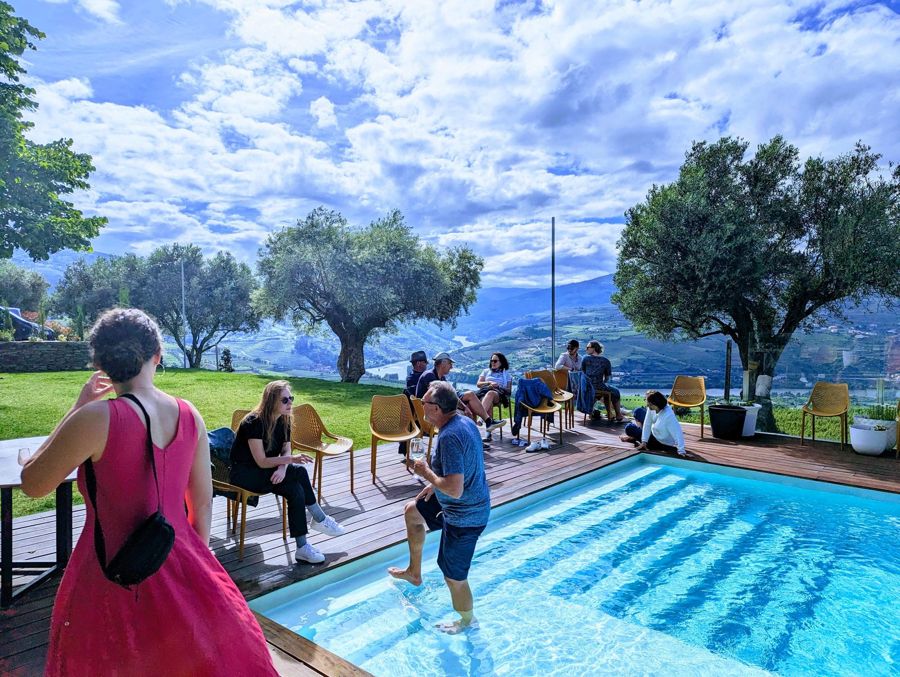
From Porto: Douro Valley w/ Boat Tour, Wine Tasting & Lunch
A first visit to the valley with the boat, the tasting and lunch arranged
 Highest rated
From Porto: 2 Wine Regions, Farm-to-Table Lunch & Boat
Travellers who want two wine regions in one long day
A mild city with a wet half and a dry half
The mistake most visitors make is to think of Porto as one climate. Temperature barely moves across the year: the average daytime high runs from 13.8 °C (56.8 °F) in January to 25.7 °C (78.3 °F) in August. Rain is what moves. December brings 181.0 mm (7.1 in) of it on average, July just 20.4 mm (0.8 in), and the year adds up to 1,237.0 mm (48.7 in).
Read Porto weather by month as two seasons rather than four. From October to April the Atlantic delivers most of that rain, the days are cool and the sun shines for between 124 and 217 hours a month. From June to September the rain almost stops, highs sit in the mid twenties and July has 308 hours of sunshine, more than twice January's 124.
That split matters more for a trip than any single number. A week in February can be bright and pleasant, and it can also bring several days of steady rain that make a river cruise or a walk along the Ribeira miserable. A week in July almost never does.
If you want the weather in Porto Portugal year round in one line, it is this: never cold, rarely hot, and wet in winter. Nights stay mild even in the coldest month, with January lows averaging 5.2 °C (41.4 °F), and summer nights cool down to around 16 °C (60.6 °F), which makes the city comfortable when inland Portugal is baking.
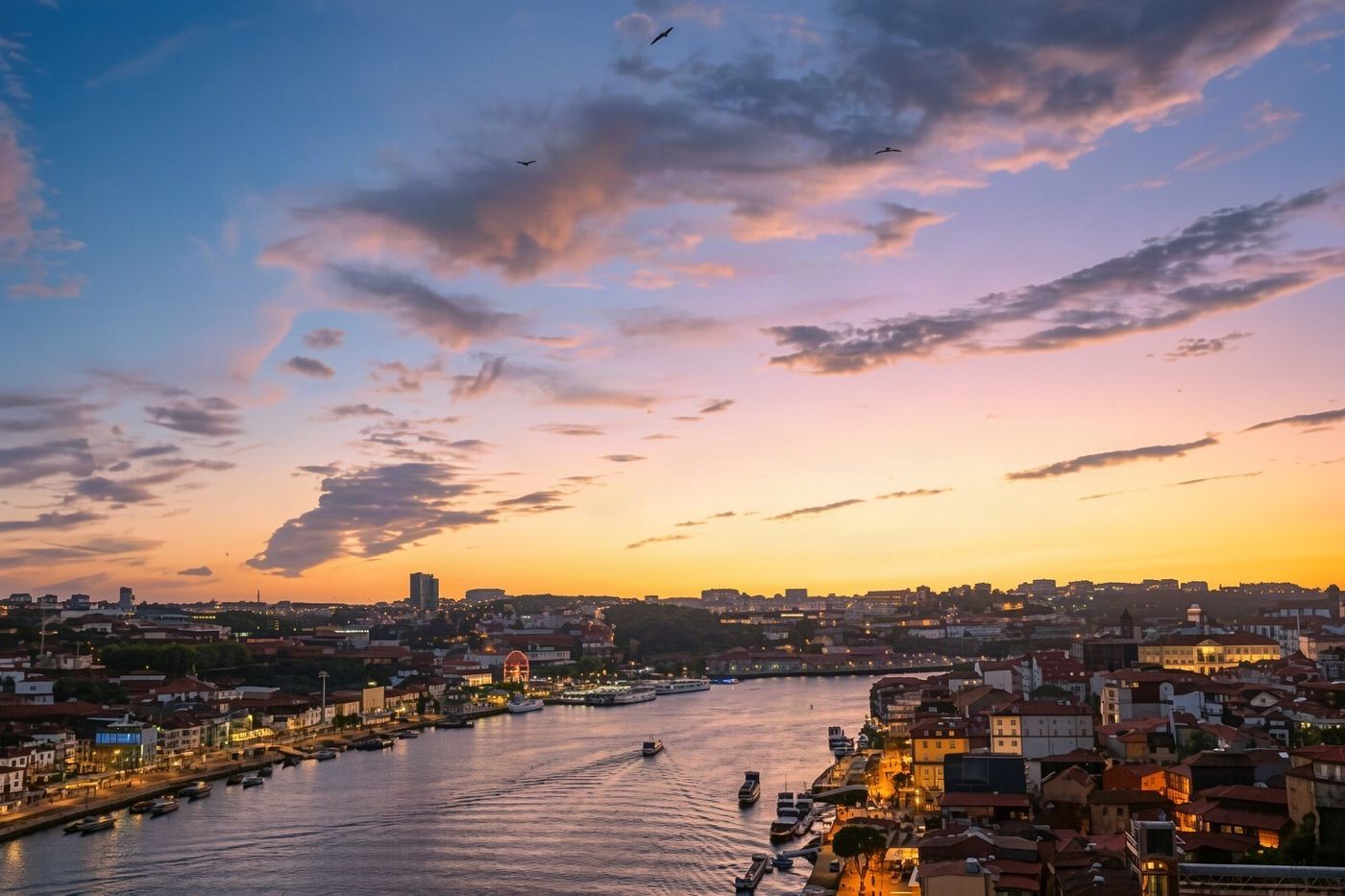 The temperature barely moves across the year; the rain does.
Checking the days before you fly
Averages tell you what to expect from a month; they tell you nothing about the particular week you will spend in the city. The common mistake is to plan outdoor days from the averages alone and then carry the plan into a wet spell.
The weather forecast Porto Portugal visitors can trust becomes useful about a week out, and the most reliable one is published by IPMA, Portugal's national weather institute, which issues forecasts for every district. Look at the rain probability as much as the temperature: from October to April it decides whether the Douro trip goes on Tuesday or on Thursday.
Once you arrive, look up the current weather Porto Portugal morning by morning, rather than trusting the view from the window, and move the outdoor plans to the drier days.
The practical rule for the wet half of the year is to fix the indoor days last. Book the outdoor outings that need good weather, such as a boat trip or a full day in the valley, for flexible dates where the operator allows free cancellation, and keep museums, port cellars and an indoor show for whichever days the forecast turns against you.
The dry months and the day trips
The months with the least rain are July at 20.4 mm (0.8 in), August at 32.9 mm (1.3 in) and June at 39.9 mm (1.6 in). They are also the sunniest, with 274 to 308 hours of sunshine, and they are the easiest months to plan a full day away from the city.
The Douro Valley is the day trip most visitors want, and it rewards dry weather more than any other: the views from the terraces and from the river are the point of the day. Most travellers go with an organised tour that combines the road, a boat and a tasting, which is the simplest way to see several estates in one day.
The other option is the train from Porto to Douro Valley stations, run by Comboios de Portugal, for travellers who prefer to set their own pace and choose their own stops.
September deserves a mention of its own. The average high is still 24.1 °C (75.4 °F), rain has not yet returned in force at 71.9 mm (2.8 in), and the sun still shines for 224 hours. For a trip built around the river and the valley, it is a strong month.
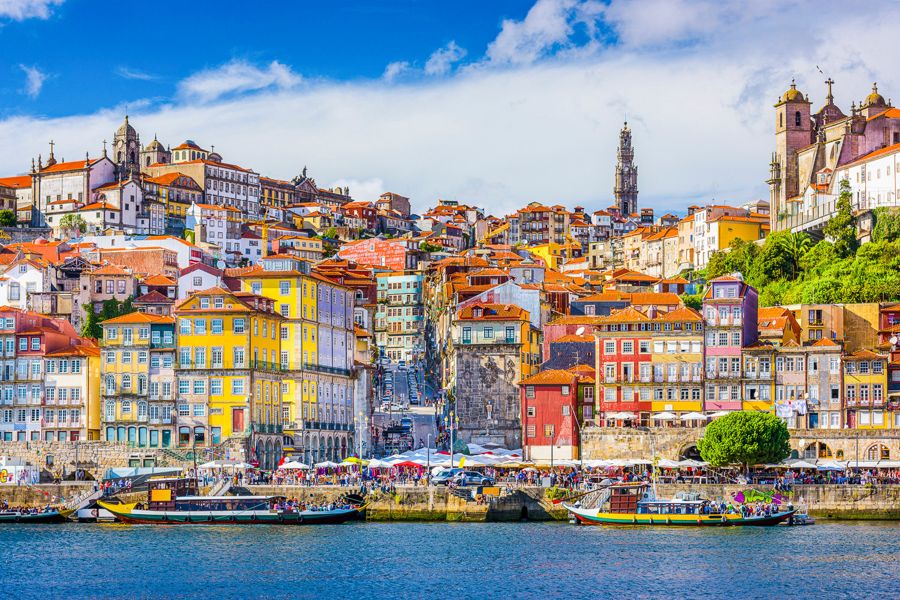
Porto: Six Bridges Cruise
★ 4.2 · 15,297 reviewsAn hour on the river under the city's bridges, best on a dry day in the warm half of the year.
Why a month-long forecast will not help
A Porto weather forecast 30 days ahead looks precise and is not. Beyond about a week, any day-by-day figure for a single city is closer to the monthly average than to a real prediction, and treating it as a promise is how a trip ends up with a boat booked for the wettest day of the week.
For a trip a month or more away, the averages in the table below are the better guide. They are drawn from three decades of records at the Porto (Fontainhas) station, 93 m above sea level, and they show what a month is likely to bring rather than what one particular day will.
The pattern they show is steady. Rain rises through autumn to a peak of 172.0 mm (6.8 in) in November and 181.0 mm (7.1 in) in December, eases through spring, and nearly disappears in summer. Sunshine does the opposite. Temperatures follow a narrow curve, which is why the rain column deserves the most attention when you pick your dates.
Porto's climate by month
| Month | Average high | Average low | Rainfall | Sunshine |
|---|---|---|---|---|
| January | 13.8 °C (56.8 °F) | 5.2 °C (41.4 °F) | 147.1 mm | 124 h |
| February | 15.0 °C (59.0 °F) | 5.9 °C (42.6 °F) | 110.5 mm | 129 h |
| March | 17.4 °C (63.3 °F) | 7.8 °C (46.0 °F) | 95.6 mm | 192 h |
| April | 18.1 °C (64.6 °F) | 9.1 °C (48.4 °F) | 117.6 mm | 217 h |
| May | 20.1 °C (68.2 °F) | 11.6 °C (52.9 °F) | 89.6 mm | 258 h |
| June | 23.5 °C (74.3 °F) | 14.5 °C (58.1 °F) | 39.9 mm | 274 h |
| July | 25.3 °C (77.5 °F) | 15.9 °C (60.6 °F) | 20.4 mm | 308 h |
| August | 25.7 °C (78.3 °F) | 15.9 °C (60.6 °F) | 32.9 mm | 295 h |
| September | 24.1 °C (75.4 °F) | 14.7 °C (58.5 °F) | 71.9 mm | 224 h |
| October | 20.7 °C (69.3 °F) | 12.2 °C (54.0 °F) | 158.3 mm | 184 h |
| November | 17.1 °C (62.8 °F) | 8.9 °C (48.0 °F) | 172.0 mm | 139 h |
| December | 14.4 °C (57.9 °F) | 6.9 °C (44.4 °F) | 181.0 mm | 124 h |
- Average high
- 13.8 °C (56.8 °F)
- Average low
- 5.2 °C (41.4 °F)
- Rainfall
- 147.1 mm
- Sunshine
- 124 h
- Average high
- 15.0 °C (59.0 °F)
- Average low
- 5.9 °C (42.6 °F)
- Rainfall
- 110.5 mm
- Sunshine
- 129 h
- Average high
- 17.4 °C (63.3 °F)
- Average low
- 7.8 °C (46.0 °F)
- Rainfall
- 95.6 mm
- Sunshine
- 192 h
- Average high
- 18.1 °C (64.6 °F)
- Average low
- 9.1 °C (48.4 °F)
- Rainfall
- 117.6 mm
- Sunshine
- 217 h
- Average high
- 20.1 °C (68.2 °F)
- Average low
- 11.6 °C (52.9 °F)
- Rainfall
- 89.6 mm
- Sunshine
- 258 h
- Average high
- 23.5 °C (74.3 °F)
- Average low
- 14.5 °C (58.1 °F)
- Rainfall
- 39.9 mm
- Sunshine
- 274 h
- Average high
- 25.3 °C (77.5 °F)
- Average low
- 15.9 °C (60.6 °F)
- Rainfall
- 20.4 mm
- Sunshine
- 308 h
- Average high
- 25.7 °C (78.3 °F)
- Average low
- 15.9 °C (60.6 °F)
- Rainfall
- 32.9 mm
- Sunshine
- 295 h
- Average high
- 24.1 °C (75.4 °F)
- Average low
- 14.7 °C (58.5 °F)
- Rainfall
- 71.9 mm
- Sunshine
- 224 h
- Average high
- 20.7 °C (69.3 °F)
- Average low
- 12.2 °C (54.0 °F)
- Rainfall
- 158.3 mm
- Sunshine
- 184 h
- Average high
- 17.1 °C (62.8 °F)
- Average low
- 8.9 °C (48.0 °F)
- Rainfall
- 172.0 mm
- Sunshine
- 139 h
- Average high
- 14.4 °C (57.9 °F)
- Average low
- 6.9 °C (44.4 °F)
- Rainfall
- 181.0 mm
- Sunshine
- 124 h
Two weeks out
A Porto weather 14 days outlook sits between the two tools. It will not tell you whether next Wednesday is dry, but it can show whether the coming fortnight looks settled or unsettled, which is enough to decide how much to book in advance.
If the outlook is settled, fixing a boat trip or a valley day early is a reasonable bet. If it is unsettled, keep those plans for tours with free cancellation and decide nearer the day. From October to April that flexibility is worth more than any saving from booking early.
The records are a reminder that extremes do happen. The highest temperature measured at the station is 40.9 °C (105.6 °F) and the lowest is -3.3 °C (26.1 °F). Neither is what a normal week looks like, and both sit far outside the monthly averages.
- Annual rainfall
- 1,237.0 mm (48.7 in)
- Wettest month
- December, 181.0 mm
- Driest month
- July, 20.4 mm
- Warmest month
- August, average high 25.7 °C
- Sunniest month
- July, 308 hours
- Record high and low
- 40.9 °C and -3.3 °C
Reading one month at a time
The figures above describe the year as a whole. Each month has its own page with Porto monthly weather in detail: what to pack, how the light and the rain shape a day, and which outings suit it.
The shoulder months reward a closer look. March already has 192 hours of sunshine against February's 129, and May brings highs of 20.1 °C (68.2 °F) with less than 90 mm of rain. October keeps summer warmth, with a high of 20.7 °C (69.3 °F), but its rainfall jumps to 158.3 mm (6.2 in), more than twice September's.
Winter is less forbidding than the rain totals suggest. December and January have the same 124 hours of sunshine and daytime highs around 14 °C (57 °F), and the city's museums, cellars and cafés carry a rainy afternoon well.
For the choice of when to go, weather is one factor among several, alongside festivals, prices and crowds. The best time to visit Porto weighs them together.

Porto: Spiritus Multimedia Show Entry Ticket
★ 4.5 · 7,763 reviewsA 30-minute multimedia show indoors, a good fit for a wet afternoon in the city.
On the day
For Porto weather today, the useful question is simple: will it rain. Dress in layers in every season except high summer, because the average high and low sit between 7.5 and 9.8 degrees apart in every month, so mornings and evenings are noticeably cooler than the afternoon.
From October to April, carry a compact umbrella or a waterproof jacket every day, whatever the morning looks like. Every one of those months averages more than 95 mm of rain, and shoes with grip matter more than warm clothing.
In summer the main need is shade and water on the climbs between the river and the upper town. With July at 308 hours of sunshine, the late afternoon is the pleasanter time for a walk along the Ribeira.
Common questions
Which is the rainiest month in Porto?
December, with an average of 181.0 mm (7.1 in) of rain, closely followed by November at 172.0 mm. October and January are also wet months.
Does it get cold in Porto in winter?
Not very. The coldest month is January, with an average high of 13.8 °C (56.8 °F) and an average low of 5.2 °C (41.4 °F). Winter is wet more than cold.
Is Porto hot in summer?
Warm rather than hot. August is the warmest month with an average high of 25.7 °C (78.3 °F), and nights cool to around 16 °C. The record high at the city station is 40.9 °C, far above a normal summer day.
When is the best weather for a Douro Valley day trip?
June to September, when rainfall is lowest and sunshine highest. September still averages 24.1 °C with 224 hours of sunshine.