
Some links on this page are affiliate links: if you book through them, we may earn a commission at no extra cost to you. How this works
Almost every visitor to Porto tastes Port, and many leave with a bottle without being sure what they bought. Porto wine, the drink behind the city's name, has its own vocabulary, ruby and tawny, LBV and Vintage, Colheita and "10 years old", and the words on a label say a great deal about what is in the glass, how long it will keep once opened and why one bottle costs more than another.
For a traveller rather than a collector, four things decide what is in the glass: how Port is made in the Douro Valley and why it is sweet and strong, which of the two great families of style it belongs to, what the category on its label means, and how long it spent in wood or glass to earn it. Then come the practical questions: the white and rosé Ports that suit a warm afternoon, how cold to serve each style, how many days an open bottle lasts, and which styles the Port and Douro wine institute suggests with food.
The grapes grow far upstream, in a steep river valley that is a World Heritage landscape, while most visitors taste the wine somewhere else: in the lodges of Vila Nova de Gaia, across the river from the old town. Knowing the styles first is what makes a lodge visit and a cellar tasting worth the money.
Two lodge visits in Vila Nova de Gaia with a guided tour and a tasting, for a first proper introduction to Port.
 Most reviewed
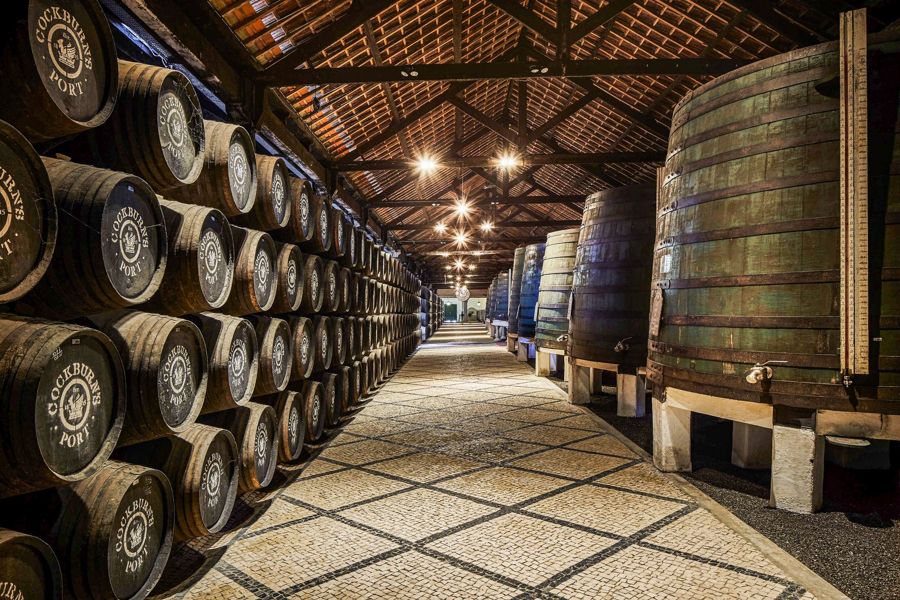
Porto: Cockburn’s Port Lodge Tour & Tasting
A guided visit to a large lodge with its own cooperage, and a tasting
 With pairings
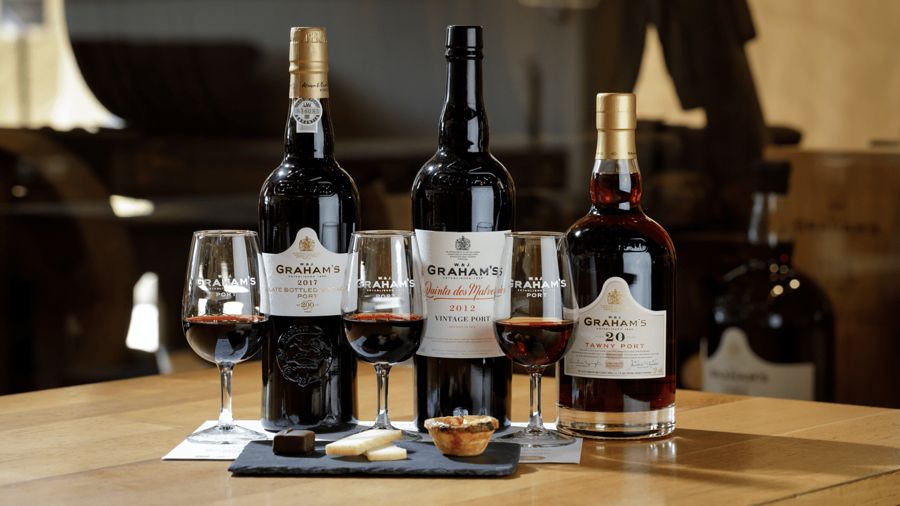
Porto: Graham's Port Lodge Tour with Premium Wine Tastings
The 1890 lodge, the making of Port, and tastings paired with chocolate, cheese and pastel de nata
The two families: tawny and ruby
The common mistake is to think Port is one drink that varies only in price. It divides into two families, and they are made to taste different.
The ruby family keeps what a young red wine has: deep colour, fruit and strength. The winemaker restrains the wine's development so that it stays close to how it began.
The tawny family does the opposite. A tawny Porto wine is a blend of wines aged for different lengths of time in casks or vats, and with age the colour slowly moves from red to tawny, medium tawny and light tawny. The aromas move with it, towards dried fruit and wood, and the older the wine the stronger those notes become.
Most tawnies are blends of several years. The exception is the Colheita, a tawny from a single harvest that ages like a tawny with an indication of age of the same years.
The difference matters when choosing. A ruby-style wine tastes of fruit and suits someone who likes red wine. A tawny-style wine tastes of nuts, dried fruit and wood, and suits someone who likes mellow, aged flavours.
Alongside the two red families sit white Port and rosé Port, which follow their own rules.
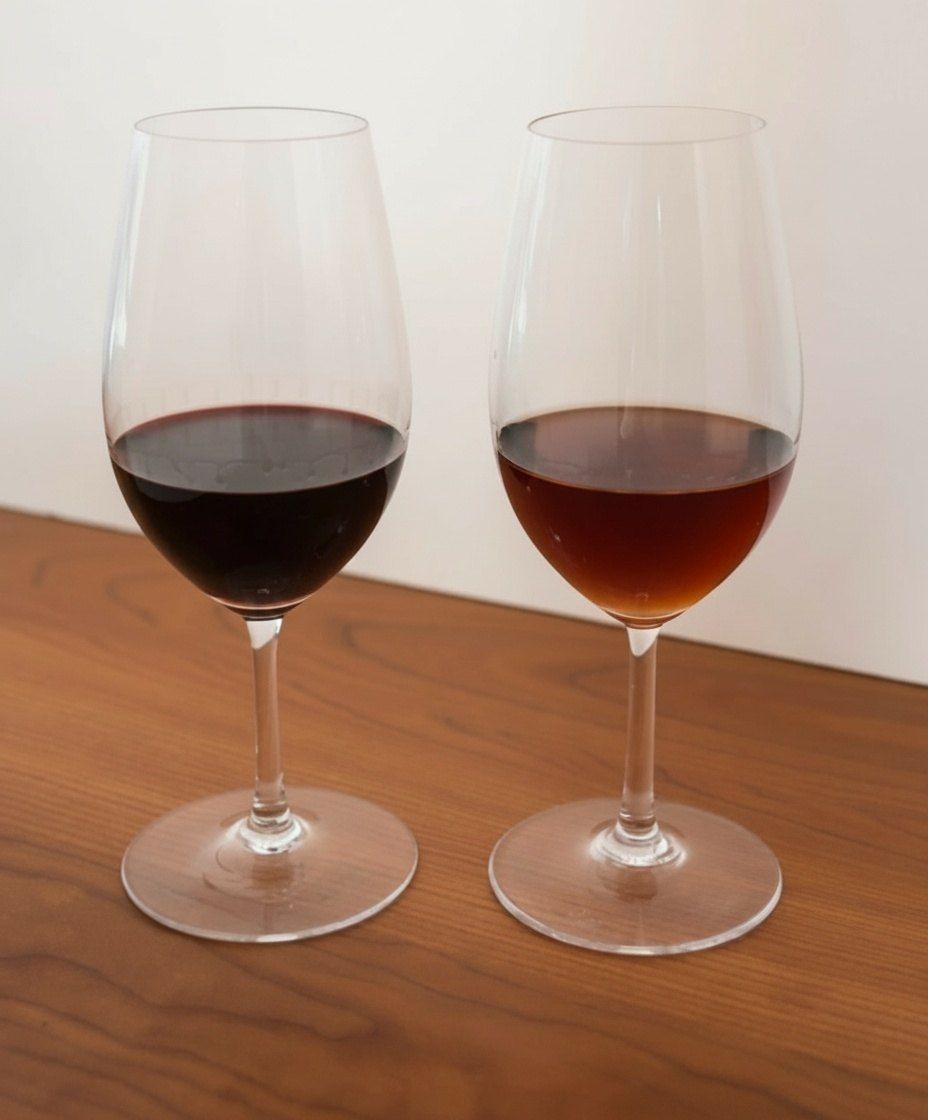 The two families are made to taste different, not to cost different.
How Port is made
The mistake is to imagine Port as ordinary wine with something added at the end. The key step happens in the middle of making it.
Anyone asking what is Porto wine can start with the legal answer: it is a fortified wine, as defined in European Union law, produced in the Douro Demarcated Region. What makes it Port is that fermentation is stopped before it finishes by adding grape brandy, a step called the benefício.
The harvest runs from August to October. Most grapes are picked by hand, because the terraced slopes are too steep for machines. Foot treading in granite tanks called lagares is the traditional method and is still favoured for the best wines, though most estates now use mechanical treading.
As the must ferments, sugar turns into alcohol. When it reaches the sweetness the winemaker wants, a neutral grape brandy of 77 percent alcohol, certified by the institute, is added, usually one part to four parts of must. The yeasts stop, part of the grape's natural sugar stays in the wine, and the wine ends at about 19 to 22 percent alcohol.
That timing decides the style. Port can be very sweet, sweet, semi-dry or extra dry, depending on when the brandy goes in.
It was not always so. Until the 19th century the brandy was added at the end of fermentation or before shipping, which gave strong but dry wines.
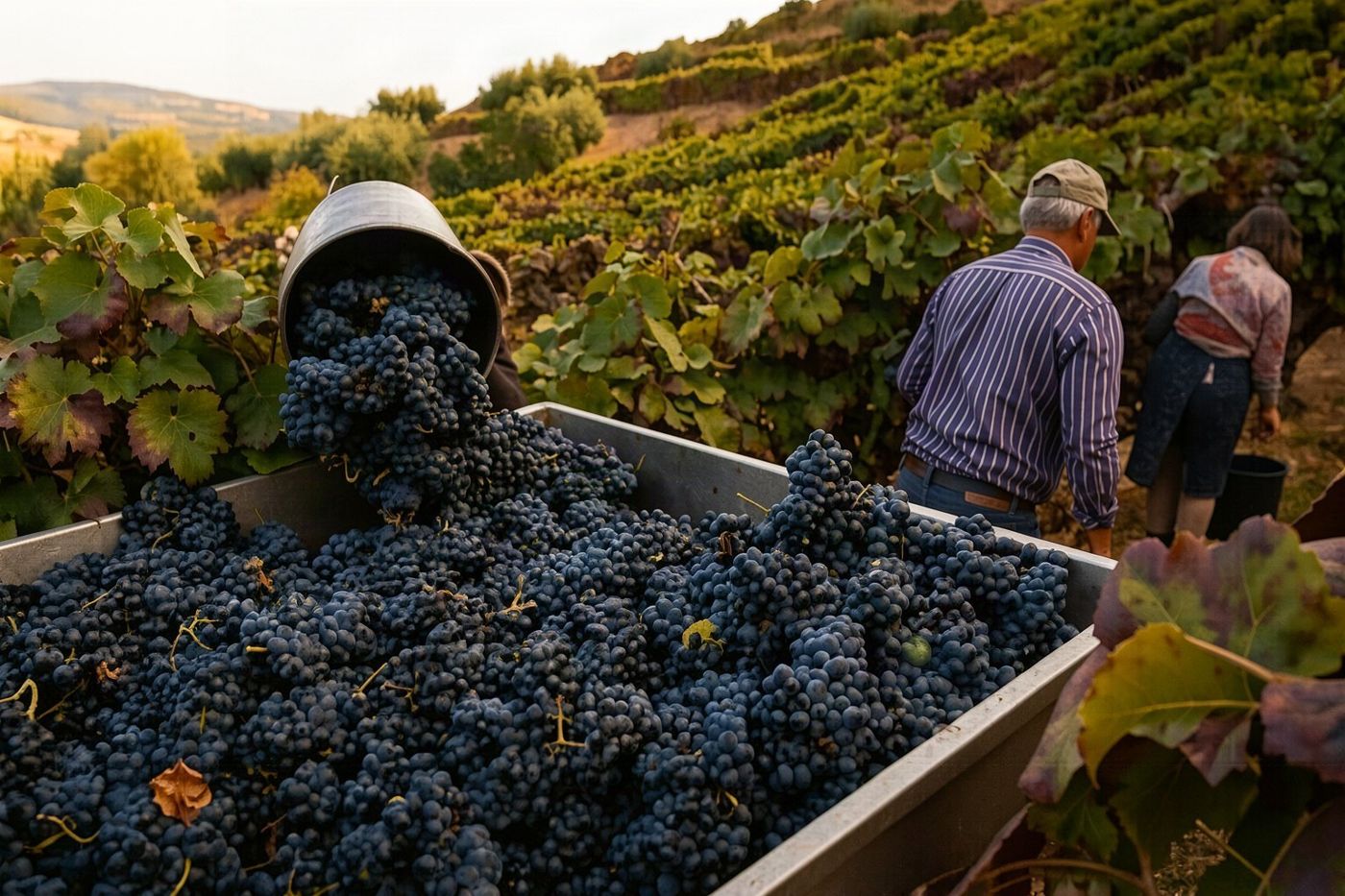 The step that makes Port happens in the middle of the making.
Choosing a bottle
The mistake is to ask a shop for the best, as if one bottle suited everyone. There is no single best Porto wine; there is the right style for the moment and the person.
For fruit and colour, choose from the ruby ladder. The institute ranks its categories in ascending order of quality: Ruby, Reserve, Late Bottled Vintage and Vintage. LBV and Vintage are the ones to keep, since they age well in bottle.
For the nutty, mellow side, choose a tawny. Tawny, Tawny Reserve, the tawnies with an indication of age, 10, 20, 30 and 40 years old, and the single-year Colheita climb in the same way.
For an aperitif or a hot day, choose a white Port, or a rosé to drink cold.
For a gift that shows its origin, a Colheita states both its harvest year and its bottling year on the label, and a Vintage states its year.
A practical rule for travellers: an open bottle of tawny keeps for weeks, while an open Vintage lasts only a day or two. Someone who will drink slowly at home is better served by a tawny.
Lodge visits in Gaia pour two or more styles in their tastings, which is the easiest way to find out which family you prefer before buying.
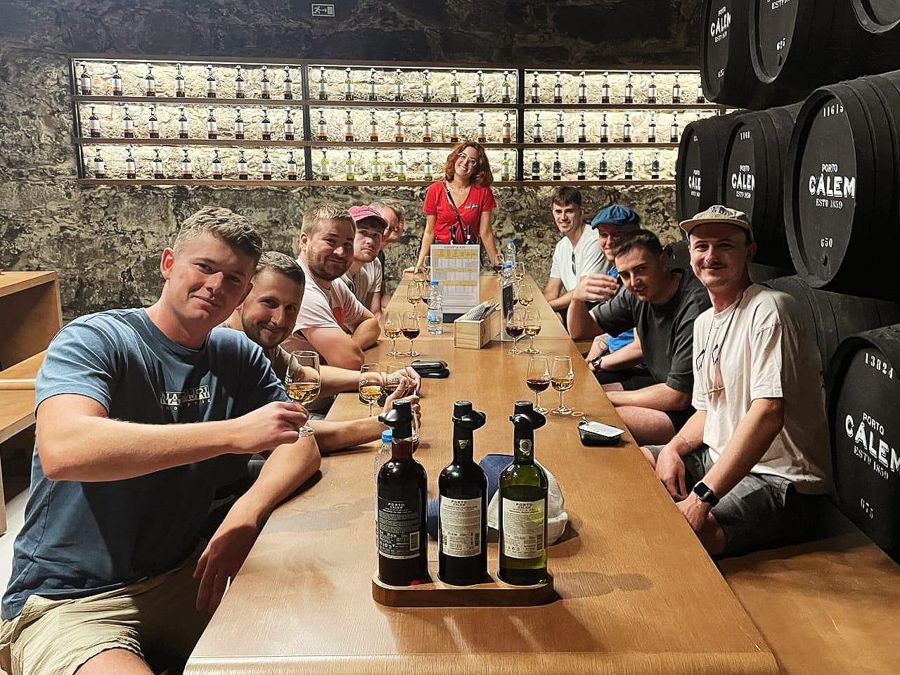
Porto: Port Wine Tour with 7 Port Tastings
★ 4.9 · 476 reviewsA four-hour guided Port walk through a traditional cellar and two tasting venues, with seven Ports to compare.
Reading the label
The mistake is to trust the colour of the bottle more than the words on the label, where the certified category is named.
Many visitors buy their first bottle of Porto Port wine at a lodge in Gaia, and the category on its label is the part worth reading.
Reserve on a tawny or white Port means at least six years in wood. On a ruby there is no minimum time, but the wine must pass the institute's tasting panel.
Late Bottled Vintage, LBV, is a ruby from a single year. It is certified from March of the fourth year after the harvest and must be bottled by the end of the sixth. It comes filtered, ready to drink, or unfiltered, which can develop in the bottle and throw a deposit; the label may say "Unfiltered".
Vintage comes from a single, exceptional harvest. It is certified in the second year after harvest, bottled by the end of July of the third, and can only be sold from 1 May of the second year. It must score at least 9 out of 10 with the tasting panel.
An indication of age, 10, 20, 30, 40, 50 or 80 years, marks a blend of wines aged in wood whose character matches the age stated. Over 80 years, the label says VVO, very very old.
Colheita is a single harvest aged at least seven years in wood, with both years on the label.
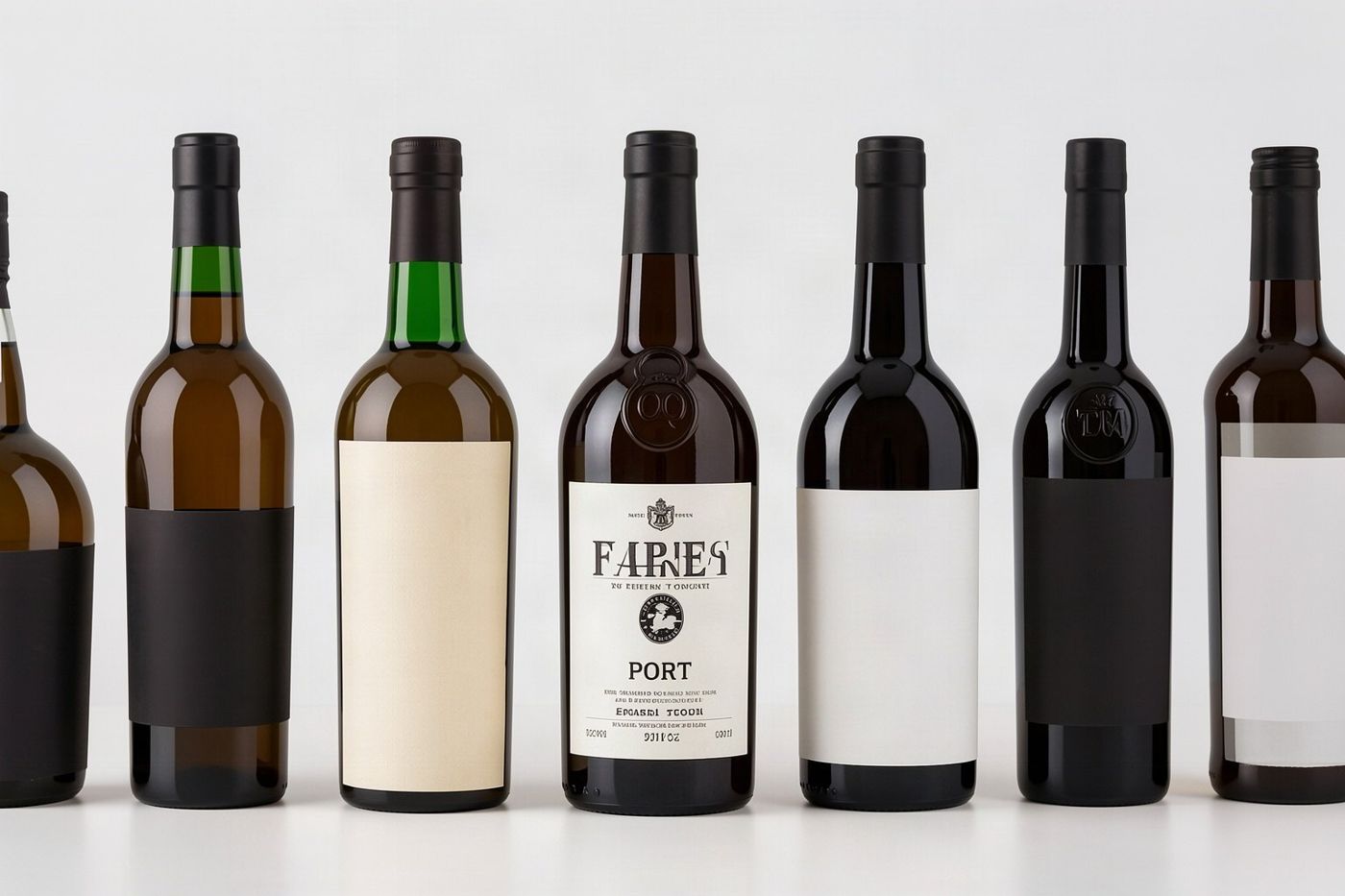 The certified category is named on the label, not on the glass.
Ruby, LBV and Vintage in the glass
The mistake is to open a ruby expecting the flavours of an old tawny. The ruby family is built for fruit and freshness, not for oxidation.
A ruby Porto wine is the entry point of the family: deep red, fruity and strong, aged for a short time so that it keeps its youth. A Ruby Reserve is the same idea at a higher level, with intense colour, ripe fruit and firm tannins.
LBV takes a step further. It is a single-year wine given longer before bottling than a Vintage, with intense colour, ripe fruit and spice aromas and a structured body. The institute presents it as an accessible alternative to Vintage, ready to drink but complex.
Vintage is the top of the ladder. It is a deep red, full-bodied wine with black fruit, floral notes and strong tannins, made to evolve slowly in the bottle for decades. An old Vintage is carefully decanted before serving.
Crusted is a lesser-known relative: a blend of high-quality wines from different years, aged at least three years in the bottle, full-bodied and forming the crust of deposit that gives it its name.
In short, the higher the category, the more the wine rewards keeping, and the shorter it lasts once opened.
- Alcohol
- Usually 19 to 22% vol.
- Brandy added
- 77% vol., about 1 part to 4 of must
- Harvest
- August to October
- Region demarcated
- 1756
- Reserve tawny or white
- At least 6 years in wood
- Colheita
- At least 7 years in wood
The Douro, where the grapes grow
The mistake is to assume Port is made in Porto. The city gave the wine its name, but the grapes grow far up the river.
The Porto wine region is the Douro Demarcated Region, demarcated in 1756, upstream along the Douro Valley. The river and its tributaries, the Varosa, Corgo, Távora, Torto and Pinhão, form the backbone of a mountain landscape that has been reshaped into steep terraced vineyards. The Marão and Montemuro mountains shelter it from the Atlantic winds.
Wine has been made there for some 2,000 years, and since the 18th century Port has been its most famous product. The Alto Douro Wine Region is on the UNESCO World Heritage List as a cultural landscape shaped by that long tradition.
The Instituto dos Vinhos do Douro e do Porto, which certifies every Port, has its head office in Peso da Régua, in the valley, and a branch in Porto on the Rua Ferreira Borges.
After its first winter, each new wine is classified and its ageing place decided: in the Douro itself, or in the entreposto of Vila Nova de Gaia, the lodge district facing Porto. Ageing in the Douro has been allowed since 1986, but Gaia remains where most visitors meet the wine.
The Douro Valley from Porto page covers visiting the region.
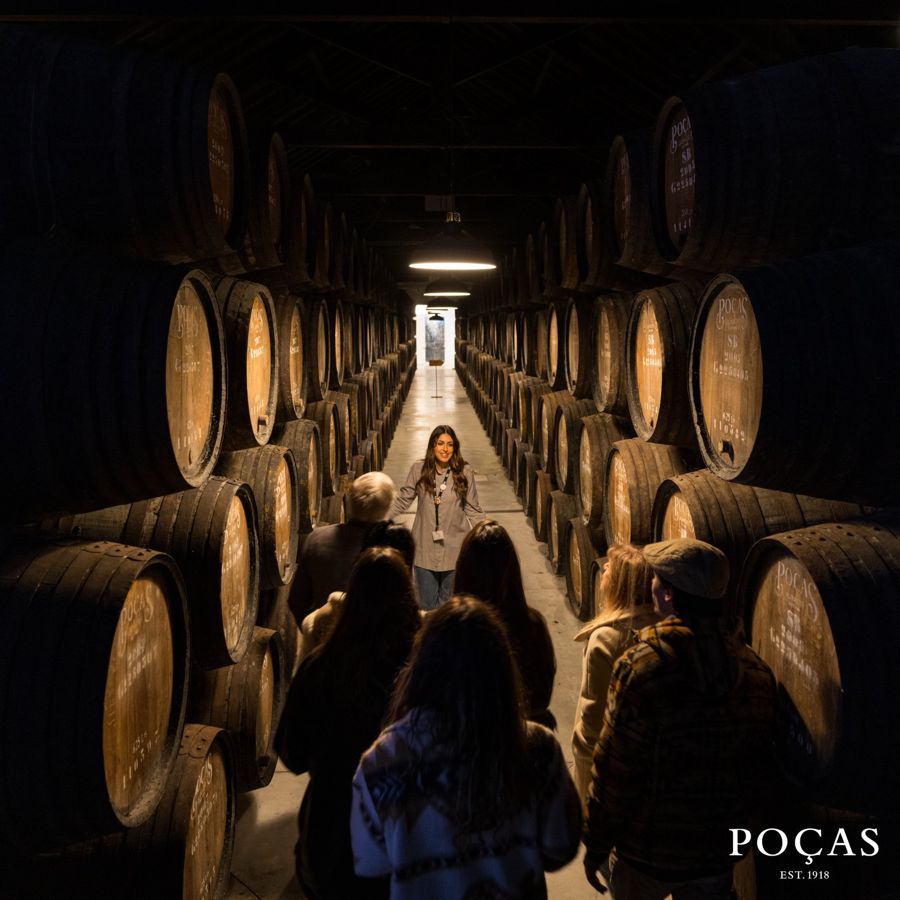
Porto: Guided Tour and Tasting of 3 Port Wines at Poças
★ 4.6 · 1,210 reviewsA guided cellar tour at Poças with three Ports to taste: a white, an LBV and a Reserve Tawny.
Going to the vineyards
The mistake is to plan a visit to the valley as a short hop from the city. The vineyards are a full day away and back.
For a traveller who wants to see the Porto wine country for themselves, the usual answer is a day trip. The valley's terraces, the river and the estates, the quintas, are the reward, and many tours combine a winery visit with a tasting, lunch and a boat on the river.
Most of the heritage landscape is protected, and its management covers a buffer zone of 225,400 hectares around the listed area, a measure of how large the wine country is.
A day in the valley suits someone who has already tasted in Gaia and wants to see where the wine begins. A lodge visit suits someone with a free afternoon in the city.
For those who do both, the order matters little. A lodge first explains the styles; the valley first explains the landscape.
The Douro Valley tours page compares the day trips from Porto.
Serving temperatures
- Rosé Port
- 4 °C
- White Port
- 6 to 10 °C
- Tawny style
- 10 to 14 °C
- Ruby style
- 12 to 16 °C
- Once open: Vintage
- 1 to 2 days
- Once open: aged tawny or Colheita
- 1 to 4 months
White and rosé Port
The mistake is to think Port is always red and always for after dinner. White and rosé Port are made for other moments.
White Port comes in several styles, set by how long it ages and how sweet it is: extra dry, dry, semi-sweet, sweet, very sweet and the sweetest, Lágrima. Some whites are fresh and vigorous; the more traditional ones, aged longer in wood, have honey and dried-fruit aromas and turn golden with age, close in colour to a very old tawny.
There is also a lighter style, Light Dry White Port, floral and complex, with a minimum strength of 16.5 percent, made for those who want a less alcoholic Port.
Dry white Port is the base of the Portonic, a long drink of white Port, tonic water, ice and a slice of lemon. Chilled white Port also works as an aperitif with toasted almonds or smoked salmon.
Rosé Port is made by a light maceration of red grapes and kept away from oxidation. It is meant to be drunk young, is highly aromatic with notes of cherry, raspberry and strawberry, and is best cold or with ice, or in cocktails.
On a warm evening by the river, either is a better choice than a heavy red Port.
Port categories at a glance
| Category | Style | Source | Ageing rule |
|---|---|---|---|
| Ruby | Ruby | Blend | Short, keeps fruit |
| Reserve (Ruby) | Ruby | Blend | No minimum; tasting approval |
| LBV | Ruby | Single year | Certified in year 4, bottled by year 6 |
| Vintage | Ruby | Single year | Bottled by year 3; ages in bottle |
| Tawny Reserve | Tawny | Blend | At least 6 years in wood |
| 10 to 40 years old | Tawny | Blend | Aged in wood to match the age |
| Colheita | Tawny | Single year | At least 7 years in wood |
- Style
- Ruby
- Source
- Blend
- Ageing rule
- Short, keeps fruit
- Style
- Ruby
- Source
- Blend
- Ageing rule
- No minimum; tasting approval
- Style
- Ruby
- Source
- Single year
- Ageing rule
- Certified in year 4, bottled by year 6
- Style
- Ruby
- Source
- Single year
- Ageing rule
- Bottled by year 3; ages in bottle
- Style
- Tawny
- Source
- Blend
- Ageing rule
- At least 6 years in wood
- Style
- Tawny
- Source
- Blend
- Ageing rule
- Aged in wood to match the age
- Style
- Tawny
- Source
- Single year
- Ageing rule
- At least 7 years in wood
Prices and what drives them
The mistake is to judge a bottle only by its price tag. What the label promises explains most of the difference.
The Porto wine price on a shelf follows the work behind it. A basic Ruby or Tawny carries no special category. Moving up the ladder adds either time or selection: a Reserve tawny needs six years in wood, a Colheita seven from a single year, an aged tawny long years of blending, and a Vintage an exceptional harvest and a demanding tasting score.
Rare categories sit at the top. Garrafeira, one of the rarest, spends four to eight years in wood and then at least fifteen in glass. The aged tawnies run to 50 and 80 years, and beyond that to VVO.
Each house sets its own prices, and they vary between lodges and shops, so compare the same category across houses rather than across categories.
For a visitor, the lodge shop is the place to taste before paying. The lodge visits sold in Gaia include tastings, which let you choose a category before choosing a bottle.
Remember the airline rules for liquids when packing a bottle, and check your home country's allowance for bringing wine back.

Porto: Port & Wine Experience, Best Wine Museum in the World
★ 4.6 · 653 reviewsThe Port & Wine Experience museum at WOW in Gaia, from grape to glass, with a tasting of three wines.
Serving it and keeping an open bottle
The mistake is to serve every Port at room temperature and keep an opened bottle for months. Both depend on the style.
The institute's serving temperatures are cooler than many people expect. Rosé Port is best at about 4 °C, white Port at 6 to 10 °C, tawny-style Port at 10 to 14 °C, and ruby-style Port at 12 to 16 °C. In summer, a tawny reserve can also be served chilled or with an ice cube.
Once open, the younger and more bottle-aged the wine, the sooner it should be finished. A Vintage lasts one to two days, an LBV or Crusted four to five days, and a Ruby or Ruby Reserve eight to ten days.
The tawny family lasts far longer. Tawny and Tawny Reserve keep for three to four weeks, and tawnies with an indication of age, aged whites and Colheitas for one to four months, the younger ones towards the shorter end.
Standard white Port keeps eight to ten days if it is the modern, fresh style, and fifteen to twenty days if it is the traditional wood-aged one.
These are guidance periods, and where the bottle is stored changes them.
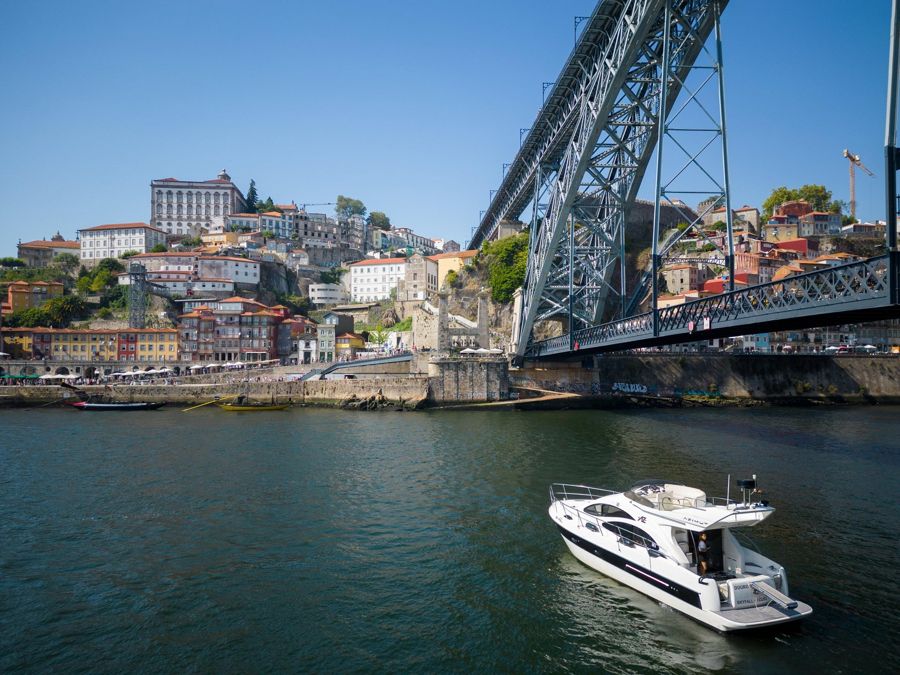
Porto: 7 Bridges Port Wine River Cruise with 4 Tastings
★ 4.8 · 730 reviewsA two-hour cruise under the seven bridges of the Douro with four Ports to taste on board.
Port with food
The mistake is to keep Port for the end of the meal. The institute suggests a style for every course.
Before a meal, a chilled white Port goes with toasted almonds, smoked salmon or dried plums, and a 10-year-old tawny with pâté.
During the meal, white Port suits light salads, grilled fatty fish such as salmon and rich, creamy soups. A chilled 10-year-old tawny suits strong cheeses, pâtés and dishes with dried fruit or walnuts, and an LBV balances roast meat and steak in rich, peppery sauces.
With dessert, a young, fruity LBV or Vintage goes with chocolate cake and mousse. The rich traditional Portuguese sweets made with egg yolk and sugar suit a 10 or 20-year-old tawny, and lighter desserts such as fruit salad, crème caramel or almond tart suit a tawny reserve or a chilled 10-year-old tawny.
After the meal, a 20-year-old tawny or older goes with coffee, and an old Vintage, carefully decanted, is a wine to drink on its own. The 30 and 40-year-old blends are best served slightly cool in large glasses.
In Porto, that makes Port an easy partner for the cheese, egg sweets and custard tarts found in the city's cafés.
Tasting it in Porto and Gaia
The mistake is to taste only in the lodge nearest the bridge. Porto offers several ways in, and they suit different visitors.
The lodges of Vila Nova de Gaia, across the Luís I bridge from the Ribeira, are the classic visit: a guided tour of the cellars and casks, followed by a tasting of two or more styles. Each house runs its own visits and sets its own prices, which change with the season, so check the house's site before going.
A guided Port walk visits several places in one outing and compares more wines side by side. A river cruise with tastings on board combines the view of the bridges with a small flight of Ports. The museum at WOW in Gaia explains the wine from grape to glass.
Whichever way you choose, taste one ruby-style and one tawny-style wine side by side. It is the quickest way to learn which family you prefer.
The Port wine cellars page compares the lodges, and Vila Nova de Gaia covers the riverfront, the cable car and the views around them. The rules on every category are published by the Instituto dos Vinhos do Douro e do Porto.
Common questions
What is the difference between ruby and tawny Port?
Ruby-style Port keeps the deep colour, fruit and strength of a young wine. Tawny-style Port is aged in casks or vats and turns amber, with aromas of dried fruit and wood that grow stronger with age.
How strong is Port?
Usually between 19 and 22 percent alcohol. Grape brandy is added during fermentation to stop it, which keeps part of the grapes' sugar and raises the strength.
How long does an open bottle of Port last?
It depends on the style: a Vintage one to two days, an LBV four to five, a Ruby eight to ten, a Tawny three to four weeks, and an aged tawny or Colheita one to four months.
Should Port be served chilled?
Lightly. The suggested temperatures are about 4 °C for rosé, 6 to 10 °C for white, 10 to 14 °C for tawny and 12 to 16 °C for ruby.
Where is Port made?
In the Douro Demarcated Region upriver from Porto, demarcated in 1756. Much of it ages in the lodges of Vila Nova de Gaia, across the river from the city.