Some links on this page are affiliate links: if you book through them, we may earn a commission at no extra cost to you. How this works
Choosing the best time to visit Porto is less a question of heat than of rain, and a trip planned for the wrong season meets the wrong weather. Porto is an Atlantic city. Its winters are mild but wet, its summers dry and warm rather than hot, and the change between the two is sharper in the rain than in the temperature. The answer to when to go depends on what the trip is for.
For the river, the viewpoints and a day in the Douro Valley, June to September is the dependable window, with the least rain and the most sunshine of the year. For a quieter city built around museums, port cellars and food, the wetter months work if the plan allows for showers. And a handful of dates, from a midsummer night in June to a film festival in late winter, are reasons to go in their own right.
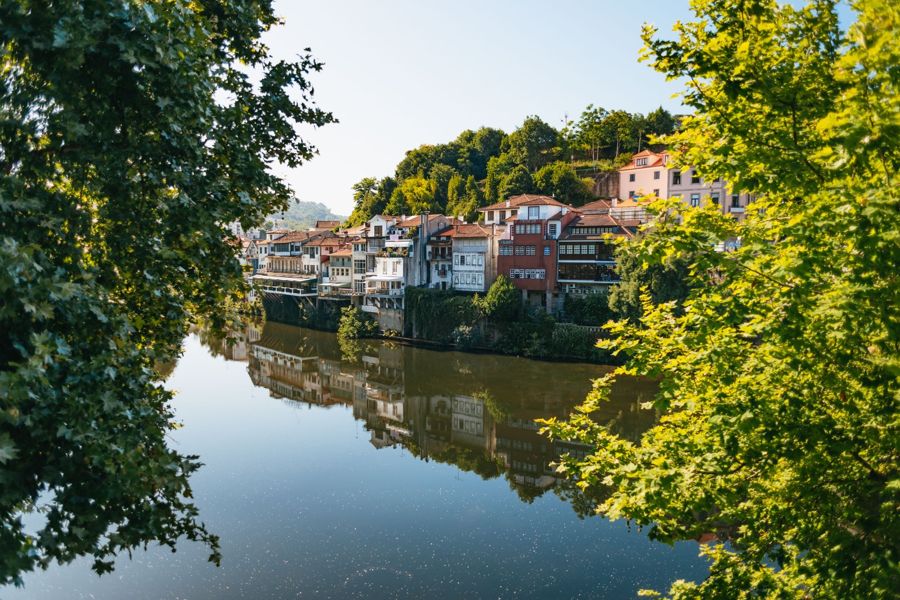
The Douro Valley is the day trip the dry season is made for. Two full days that combine the river, the estates and lunch.
 Flexible lunch
Porto: Douro Valley with Lunch (Optional), Tastings & Cruise
Travellers who want tastings and a cruise with lunch left optional
 Highest rated
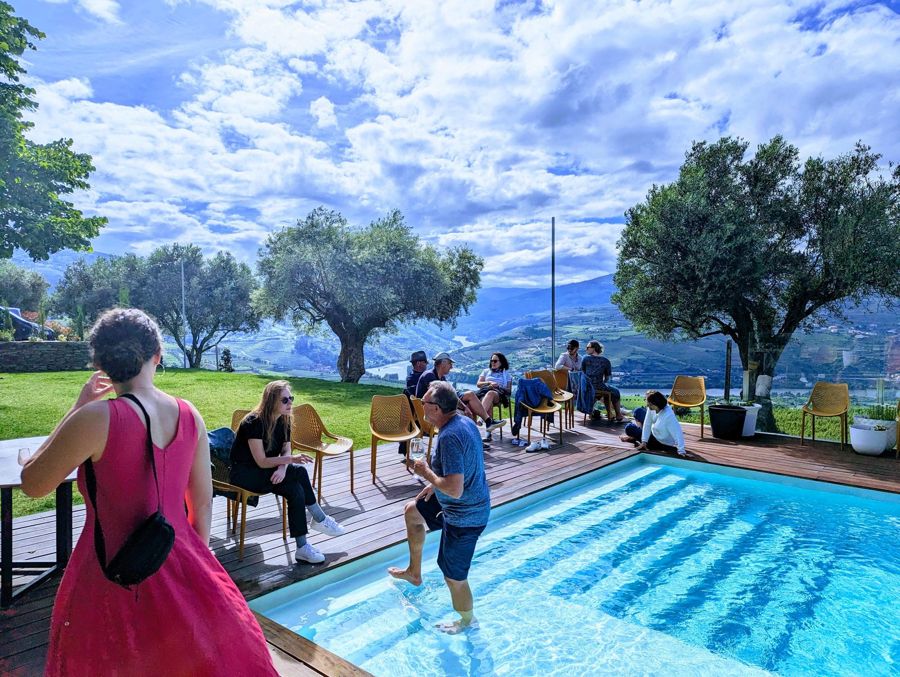
From Porto: 2 Wine Regions, Farm-to-Table Lunch & Boat
Travellers who want two wine regions in one long day
Three seasons, not four
The mistake is to plan Porto by the calendar's four seasons. The city's year falls more naturally into three: a high season from June to September, shoulder months in April, May and October, and a long wet season from November to March.
The high season is defined by dry, bright weather. July averages just 20.4 mm (0.8 in) of rain and 308 hours of sunshine, and highs across the four months run from 23.5 °C (74.3 °F) to 25.7 °C (78.3 °F). It is when outdoor plans are least likely to be spoiled.
The shoulder months are mixed. May is already warm at 20.1 °C (68.2 °F) with 89.6 mm (3.5 in) of rain, while October keeps a similar temperature, 20.7 °C (69.3 °F), with almost twice the rain at 158.3 mm (6.2 in). April falls between them, brighter than winter and showery.
The wet season is mild but rainy. December averages 181.0 mm (7.1 in), the most of the year, and January and December share the lowest sunshine at 124 hours. Temperatures stay mild, with January lows of 5.2 °C (41.4 °F), so rain gear matters far more than winter clothing.
Porto's seasons at a glance
| Season | Months | Average highs | Rain per month | Sunshine per month |
|---|---|---|---|---|
| High | June to September | 23.5-25.7 °C | 20.4-71.9 mm | 224-308 h |
| Shoulder | April, May, October | 18.1-20.7 °C | 89.6-158.3 mm | 184-258 h |
| Wet season | November to March | 13.8-17.4 °C | 95.6-181.0 mm | 124-192 h |
- Months
- June to September
- Average highs
- 23.5-25.7 °C
- Rain per month
- 20.4-71.9 mm
- Sunshine per month
- 224-308 h
- Months
- April, May, October
- Average highs
- 18.1-20.7 °C
- Rain per month
- 89.6-158.3 mm
- Sunshine per month
- 184-258 h
- Months
- November to March
- Average highs
- 13.8-17.4 °C
- Rain per month
- 95.6-181.0 mm
- Sunshine per month
- 124-192 h
The year as a whole
Weighing weather alone, the best time of year to visit Porto Portugal is from June to September. Those four months have the four lowest rainfall totals of the year, three of them have the highest sunshine totals, and their average highs run from 23.5 °C to 25.7 °C, warm enough for long days outdoors.
Weather is not the only thing a trip weighs. The calendar of events runs across the whole year, with some of the city's best-known dates falling outside the high season. A trip in May can combine near-summer weather with two festivals, and a trip in late winter can meet a film festival.
The honest summary is that no month is closed. The wet season asks for flexible plans and a waterproof, the shoulder months ask for a little of both, and the high season asks mainly for sun protection. The detailed figures for every month are on the Porto weather page, and a forecast for the days before you travel comes from IPMA, Portugal's national weather institute.
- Driest month
- July, 20.4 mm of rain
- Sunniest month
- July, 308 hours
- Warmest month
- August, average high 25.7 °C
- Wettest month
- December, 181.0 mm
- Coldest nights
- January, average low 5.2 °C
- São João
- The night of 23 to 24 June
Planning around the dry months
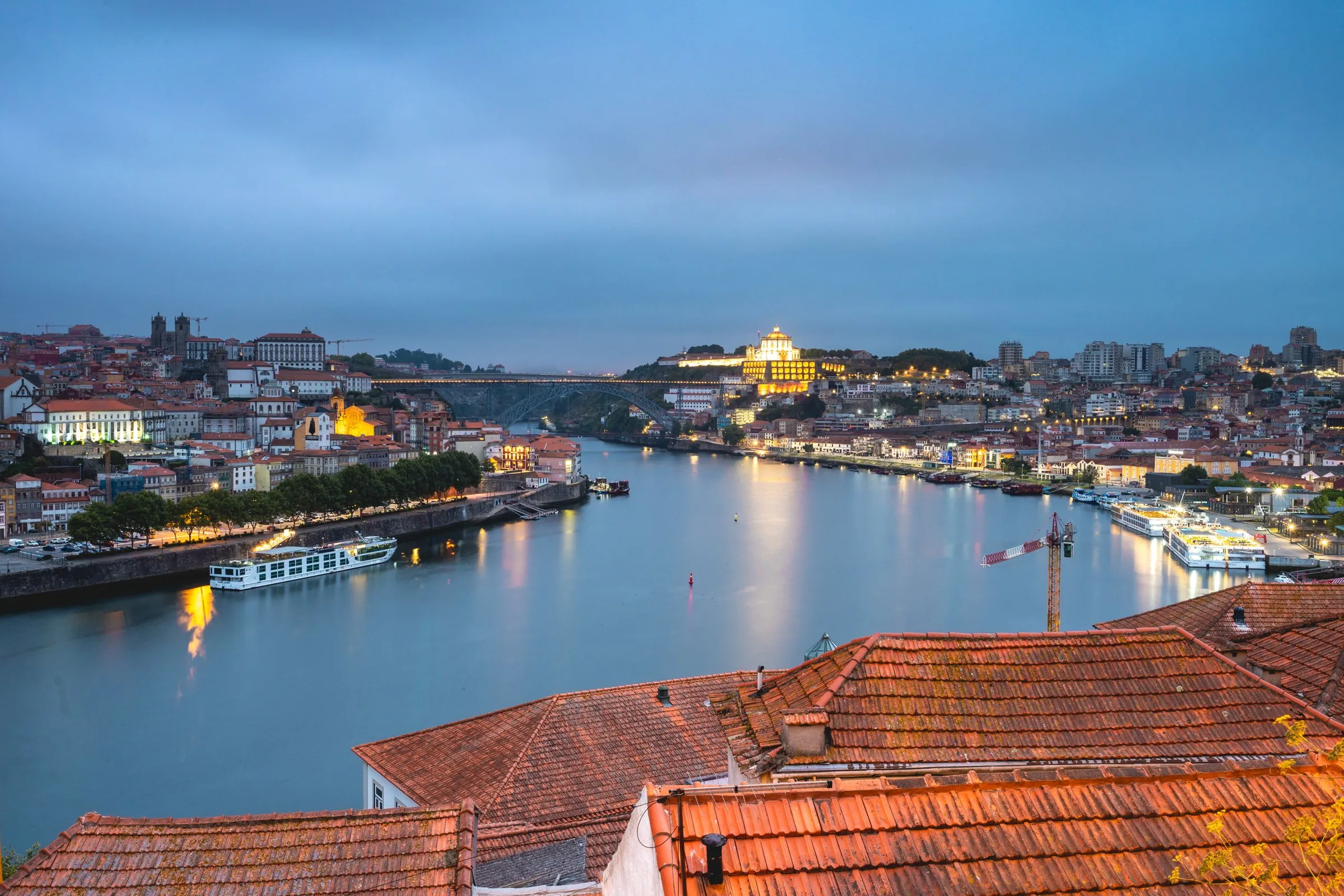
If the trip is built around being outdoors, the best time to travel to Porto Portugal is the stretch from June to September. It is the season for the Douro Valley, where a full day of estates, tastings and the river depends on a dry sky, and for the river cruises and viewpoints in the city itself.
September deserves particular attention. Its average high of 24.1 °C (75.4 °F) is only 1.6 degrees below August's, and it still has 224 hours of sunshine, though its rain, at 71.9 mm (2.8 in), is more than double August's. For a trip that wants summer warmth with a little more flexibility, the first half of September fits well.
June has its own reason to go: the night of São João. July and August are the most reliable for dry weather of all, with the lowest rain of the year, and what needs planning is the midday sun on the steep streets up from the river, which are kinder early and late in the day.
For the valley in particular, booking with free cancellation is still worth it in summer, so a rare wet day can be swapped for a dry one.
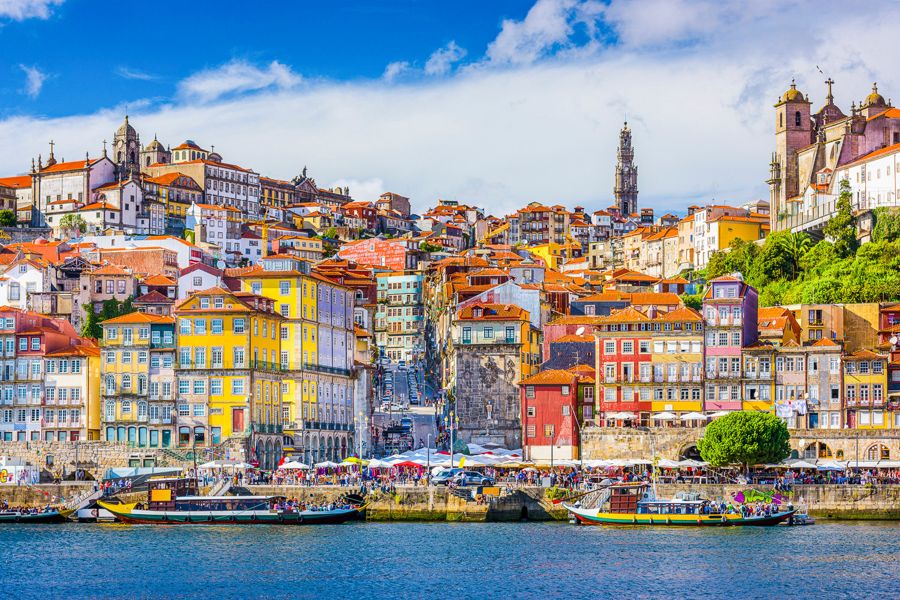
Porto: Six Bridges Cruise
★ 4.2 · 15,297 reviewsAn hour on the river under the city's bridges, at its best on a dry evening in the high season.
Dates worth planning around
When is the best time to visit Porto Portugal if the trip is about the city's own events? The calendar spreads them across the year.
Fantasporto, the international film festival, fills ten days around the turn of February and March (27 February to 8 March in 2026). The first full week of May brings the Queima das Fitas, Portugal's largest student festival, with concerts and an academic parade through the Baixa; in 2026 it ran from 2 to 9 May.
Late May is the time of Serralves em Festa, 50 hours of music, dance, theatre and exhibitions in the Serralves park and around the city, with free entry; the 2026 edition ran from 29 to 31 May. In June, Primavera Sound fills the Parque da Cidade; its 2026 edition ran from 11 to 14 June.
The biggest night of the year is São João, from 23 to 24 June: grilled sardines in the streets, plastic hammers, sky lanterns and fireworks over the Douro at midnight. It is free and outdoors. 24 June is a municipal holiday, and state museums and Livraria Lello close that day. The year ends with a free New Year's Eve concert on the Avenida dos Aliados and fireworks at midnight.
Festival dates move each year, so check the organiser's own site before booking.
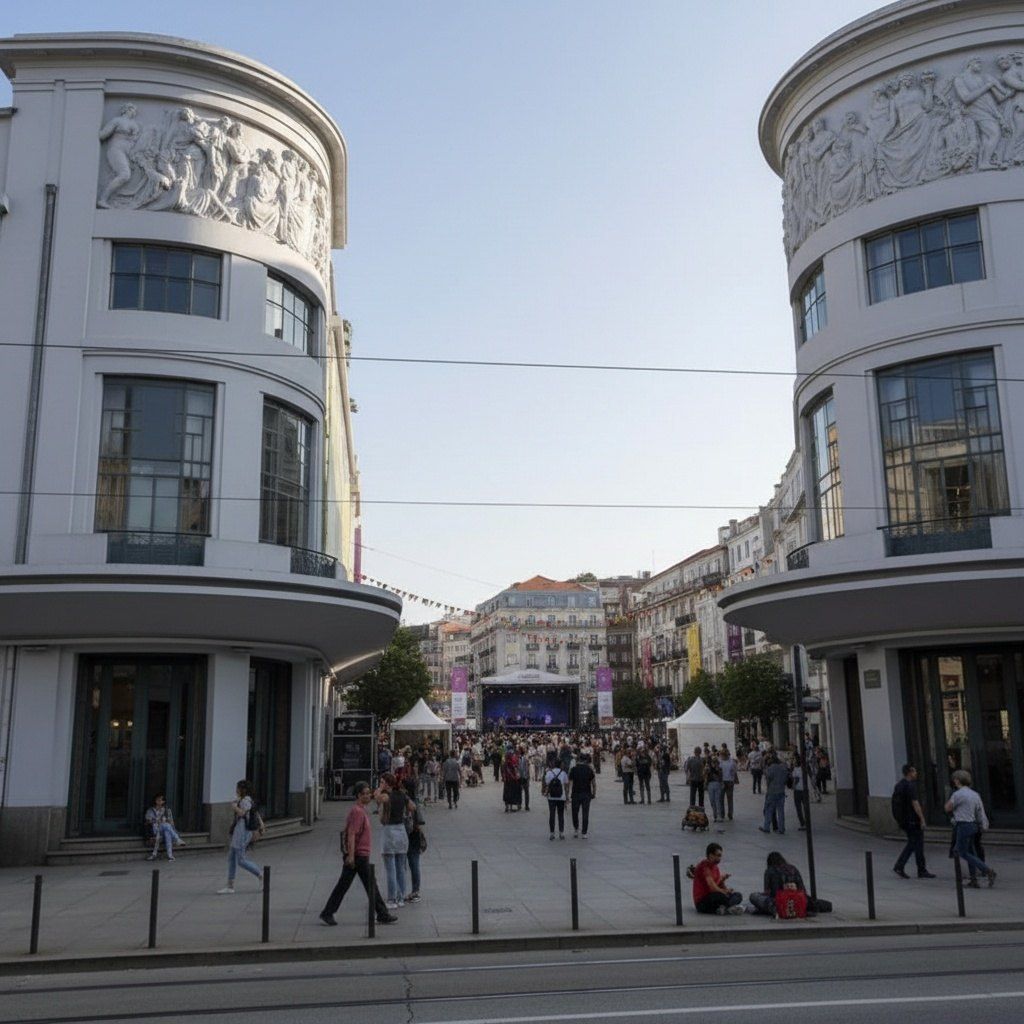 The city's events spread across the year, most of them in the centre.
If you can choose only one month
Asked for a single best month to visit Porto Portugal, June makes the strongest case. It brings the start of the dry season, with 39.9 mm (1.6 in) of rain and 274 hours of sunshine, highs of 23.5 °C (74.3 °F), and the city's biggest night of the year at São João.
September is the alternative for travellers who want summer weather without planning around a festival: warm, still mostly dry, and a strong month for the Douro Valley.
May suits travellers who like a busier cultural calendar and can accept a few showers. Its average high tops 20 °C for the first time since the autumn, monthly rain drops under 90 mm, and the month holds both the Queima das Fitas and Serralves em Festa.
For a winter trip, February is the pick of the wet season: drier than January at 110.5 mm (4.4 in) of rain against 147.1 mm, a little warmer, and with Fantasporto beginning at the end of the month.
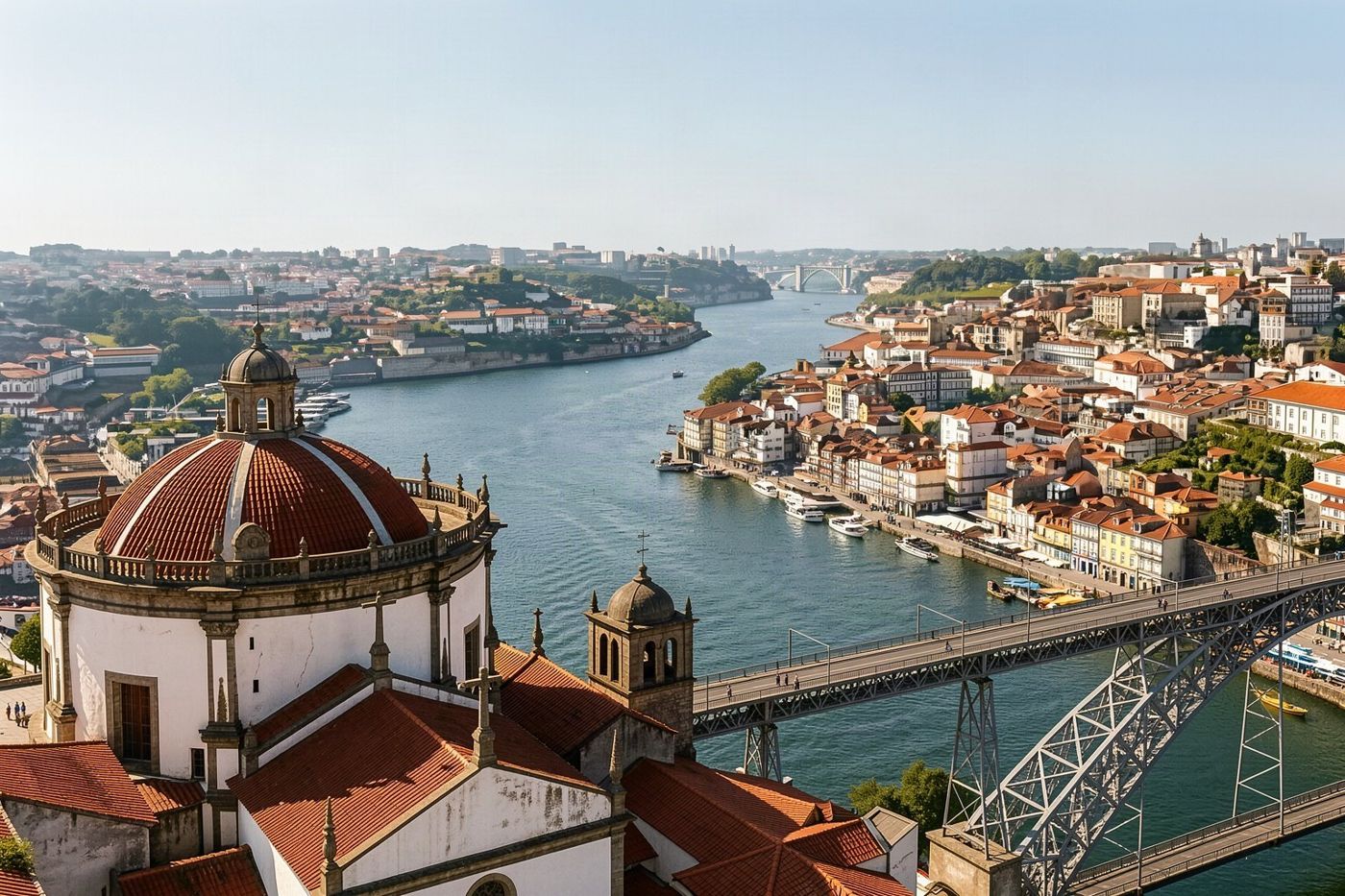 June brings the start of the dry season and the city's biggest night.
The wet season, planned well
Winter travellers often expect cold and find rain instead. From November to March the average daytime high runs from 13.8 °C (56.8 °F) in January to 17.4 °C (63.3 °F) in March, and no month's average low falls below 5 °C. What defines the season is rainfall: November and December each average more than 170 mm.
A good winter trip keeps its fixed plans indoors and treats the outdoor ones as flexible. Museums, the Gaia lodges, cafés and restaurants fill a wet day, and a boat trip or a stroll over the Luís I bridge can wait for whichever day the forecast shows as driest.
One practical point matters in every season: Monday is closing day for most of Porto's museums, but not for its churches, gardens, viewpoints or riverside, so it is the natural day for walking rather than museum visits.
Late December adds the Christmas lights and the tree on the Avenida dos Aliados, and the free concert on New Year's Eve.
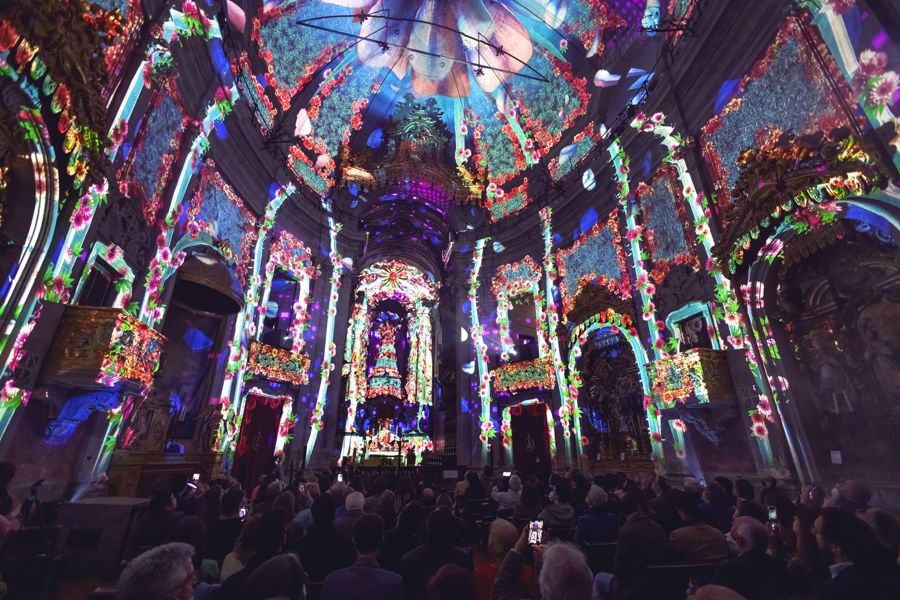
Porto: Spiritus Multimedia Show Entry Ticket
★ 4.5 · 7,763 reviewsA 30-minute multimedia show indoors, a good plan for a wet afternoon in the winter months.
Matching the season to the trip
When is the best time to go to Porto Portugal for your kind of trip? For a first visit that wants the river, the viewpoints and the Douro Valley, choose June to September. For festivals, look at May and June. For a city break of museums, cellars and food at a slower pace, the wet season works well with a flexible plan.
Two costs apply in every month. The municipal tourist tax is €3 per person per night, charged by the accommodation on top of the room price for up to seven nights, so a longer stay pays at most €21 a person. Getting around the centre by metro starts from €1.40 for a single ticket in zone Z2 on Metro do Porto. Both figures move over time, so check them before you travel.
Whatever the month, the city's world heritage centre, the Dom Luís I Bridge and the Serra do Pilar monastery across the river are there to see, and the weather decides only how comfortably you see them.
Common questions
What is the rainiest time of year in Porto?
November and December. December averages 181.0 mm of rain and November 172.0 mm, the two highest totals of the year.
When is São João in Porto?
On the night of 23 to 24 June every year. 24 June is a municipal holiday, and state museums and Livraria Lello close that day.
Is Porto worth visiting in winter?
Yes, for a city break built around museums, cellars and food. Winters are mild, with January highs around 14 °C, but wet, so plans need to be flexible.
Are Porto museums open on Mondays?
Most are closed on Mondays. The churches, gardens, viewpoints and the riverside stay open, so plan museums for other days.