Some links on this page are affiliate links: if you book through them, we may earn a commission at no extra cost to you. How this works
The question most visitors ask before a trip to Porto is not what to see but what fits. The city's historic centre is small, about 2 km across, but steep, and the most rewarding trips beyond it, to the Douro Valley, Guimarães or Aveiro, each take a full day. A plan that ignores either fact ends with too much walking uphill or too little time in the places that matter.
Below, each trip length is set out with what it adds: half a day covers the Ribeira, the bridge and one Port lodge; a full day adds the Clérigos, São Bento and the Bolsa; two days bring in Serralves or the Casa da Música and the tram to Foz; three days make room for the Douro or Guimarães and Braga by train; five, seven and ten days add the coast, the national park and nights up the river. The fixed points every plan respects, from Monday closures to the São João holiday, come first, and each length links to its detailed plan.
Two ways to see the old town efficiently on a first day, with a guide who knows the order of the hills.
 Most reviewed
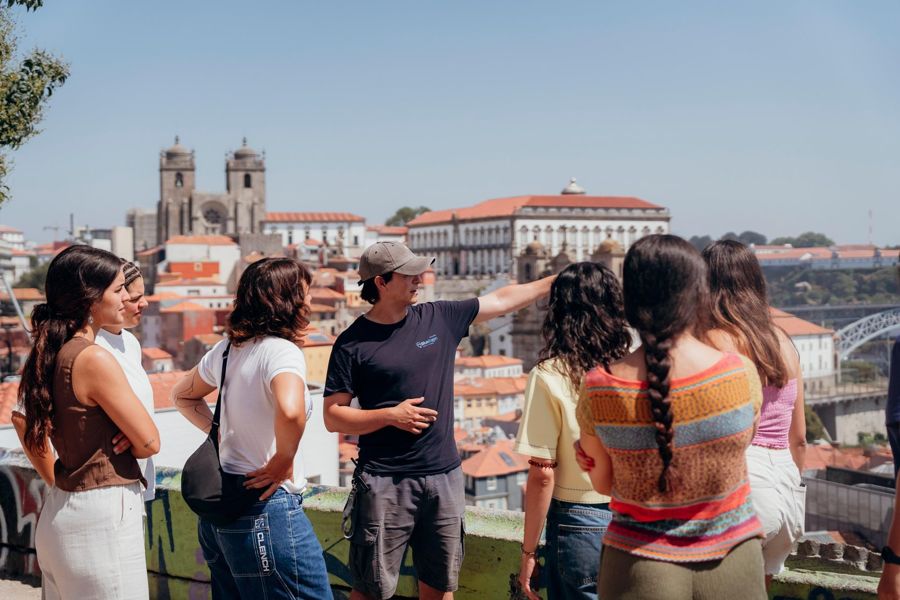
Porto: 3-Hour Guided City Highlights Walking Tour
The main landmarks and streets in one morning
 Four in one
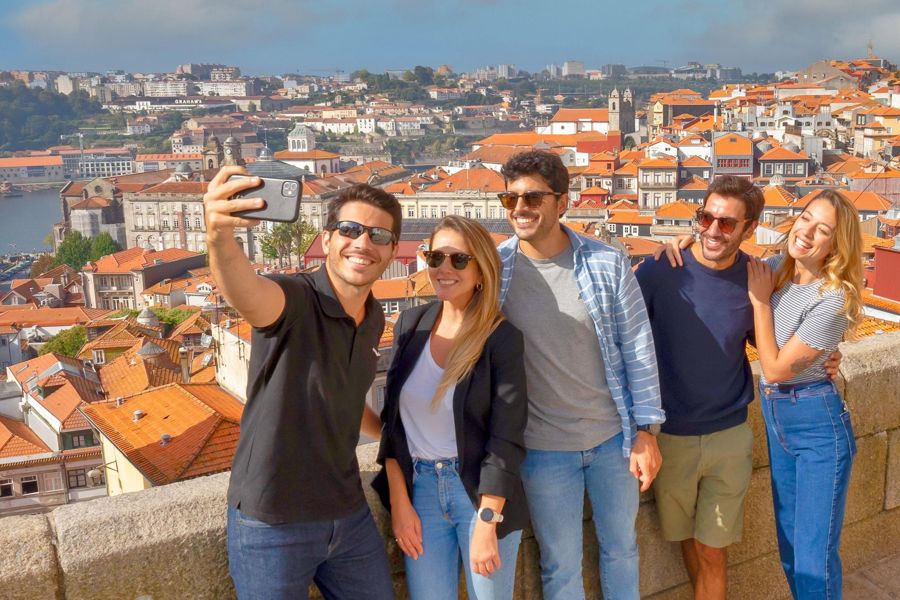
Porto: Walking Tour, Lello Bookshop, Boat and Cable Car
The old town, the bookshop, the river and the cable car in one outing
The rules every plan respects
The common mistake is to build a perfect day and discover half of it is closed. A few fixed points shape every Porto itinerary, whatever its length.
Mondays close most museums. The Soares dos Reis National Museum, the World of Discoveries, the Tram Museum and the Casa do Infante were all listed as closed on Mondays, while the churches, the gardens, the viewpoints and the riverside stay open. Put the museums on another day and give Monday to walking.
A handful of dates close more. Livraria Lello and the state museums close on 1 January, Easter Sunday, 1 May, 24 June and 25 December; 24 June is São João, Porto's municipal holiday.
Some sights run on their own rules. The Palácio da Bolsa is visited only on guided tours, from 9:30 to 13:00 and 14:00 to 17:30, so it breaks for lunch. The Paiva Walkways and Pena in Sintra sell timed slots in advance; Lello, Clérigos and the lodges have queues rather than slots.
Finally, the hills. The walk from the Ribeira up to the Clérigos is short on the map, about 485 m from the Bolsa, but steep, and the two decks of the Luís I bridge are 45 m apart. Budget time for climbs, not for distance.
- Half a day
- Ribeira, the bridge, one Port lodge
- 1 day
- Add Clérigos, São Bento, the Bolsa or Lello
- 2 days
- Add Serralves or Casa da Música, tram to Foz
- 3 days
- Add the Douro or Guimarães and Braga
- 5 to 7 days
- Add Aveiro, the walkways, Gerês, Viana
- 10 days and more
- A night in the Douro, Lisbon, Santiago
Short stays: half a day to two days
The mistake with a short stay is to try to see everything and see nothing properly. The centre rewards a tight route.
With half a day, stay low and by the water: the Ribeira quay, the lower deck of the Luís I bridge to Gaia, and one Port lodge visit. From the bridge to the Cais da Estiva is about 394 m, and a lodge visit with a tasting takes about an hour.
With one day, add the upper town. São Bento station, the cathedral 310 m away, the Palácio da Bolsa and the Church of Saint Francis side by side, and the Clérigos tower up the hill make a full circuit, with Livraria Lello nearby and dinner in the Baixa.
With two days, give the second day to the west: the Palácio de Cristal gardens, Serralves or the Casa da Música, and the historic tram line 1 along the river to Foz in about 20 minutes.
The order of a short stay matters more than its length. Do the climbs in the cool of the morning, keep the riverside for the evening, and put the ticketed, timed visits first.
Fixed points for any plan
- Most museums
- Closed on Mondays
- Palácio da Bolsa
- Guided tours only, lunch break 13:00-14:00
- Livraria Lello
- 09:00-19:30; closed 1 Jan, Easter Sunday, 1 May, 24 June, 25 Dec
- 24 June
- São João, municipal holiday
- Paiva Walkways
- Booked online in advance
- Tourist tax
- 3 EUR per person per night, up to 7 nights
Three days: the first trip out
The mistake is to spend a third day on more of the old town. Three days is the point where a day beyond Porto pays off most.
The three-day plan keeps two days for the city and gives the third to one of two classic trips.
The Douro Valley by train follows the river: São Bento to Régua takes 1 hour 55 minutes for 11.10 euros, and to Pinhão 2 hours 20 minutes for 12.45 euros. The MiraDouro train runs the line daily with 1940s carriages whose windows open, at ordinary fares. A day tour adds wineries, lunch and a boat.
Guimarães and Braga are the other choice. Each is about an hour on the urban train for 3.60 euros, and together they make a long day with about three hours in each.
Either way, check the return train before leaving: afternoon trains back from Guimarães can be two hours apart.
From Porto: Douro Valley w/ Boat Tour, Wine Tasting & Lunch
★ 4.7 · 21,807 reviewsA full day in the Douro Valley from Porto with a boat tour, wine tasting and lunch.
Five and seven days: the north beyond the city
The mistake with a longer stay is to base every day trip on a tour and never use the trains. Several of the best trips are cheap and simple by rail.
The five-day plan adds Aveiro, 1 hour 15 minutes by urban train for 3.95 euros, with its canals and moliceiro boats, and a nature day: the Paiva Walkways and the 516 Arouca bridge, or the Peneda-Gerês National Park, both best by car or tour.
The seven-day plan goes further north and slows the city days down. Viana do Castelo is 75 minutes by train from Campanhã for 8.90 euros, with the Santa Luzia hill and a long beach. Amarante, 44 minutes by car, suits a quieter day of river and convent sweets.
With a week, a slow day in Porto is worth planning too: the Serralves park, the beaches at Matosinhos, or the market, museums and cafés of the Baixa.
Book the fixed slots early. The walkways sell online with a daily limit.
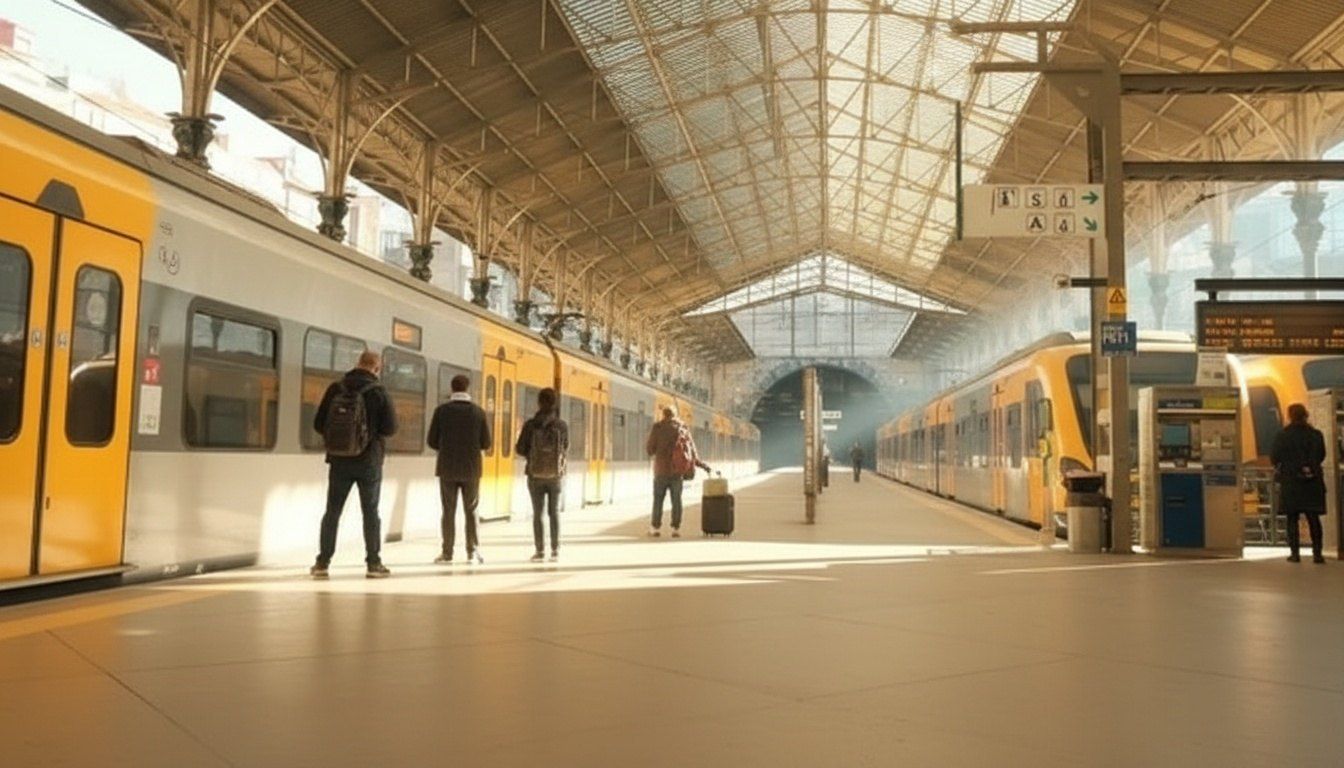 Several of the best trips out are cheap and simple by rail.
Ten days and more: nights away
The mistake is to do every trip as a return day from Porto. With ten days or more, a night elsewhere saves hours of travel.
The ten-day plan moves the Douro from a day trip to a night or two upriver, in Pinhão or Régua, with Lamego's baroque stairway and the Mateus Palace near Vila Real.
The plan for more than ten days opens up the rest of Portugal and Galicia. Lisbon is 2 hours 58 minutes by Alfa Pendular, with Sintra 40 minutes beyond it by suburban train. Santiago de Compostela is 3 hours 59 minutes to 5 hours by coach, and the Camino Portugués from Porto covers about 233 km on its central route.
On a long stay, the season matters as much as the route. The Douro harvest runs from August to October, the Paiva Walkways keep longer hours from May to September, and the Douro Historical Train runs on summer weekends.
Build in rest days. The hills and the long days in the valley add up over a fortnight.
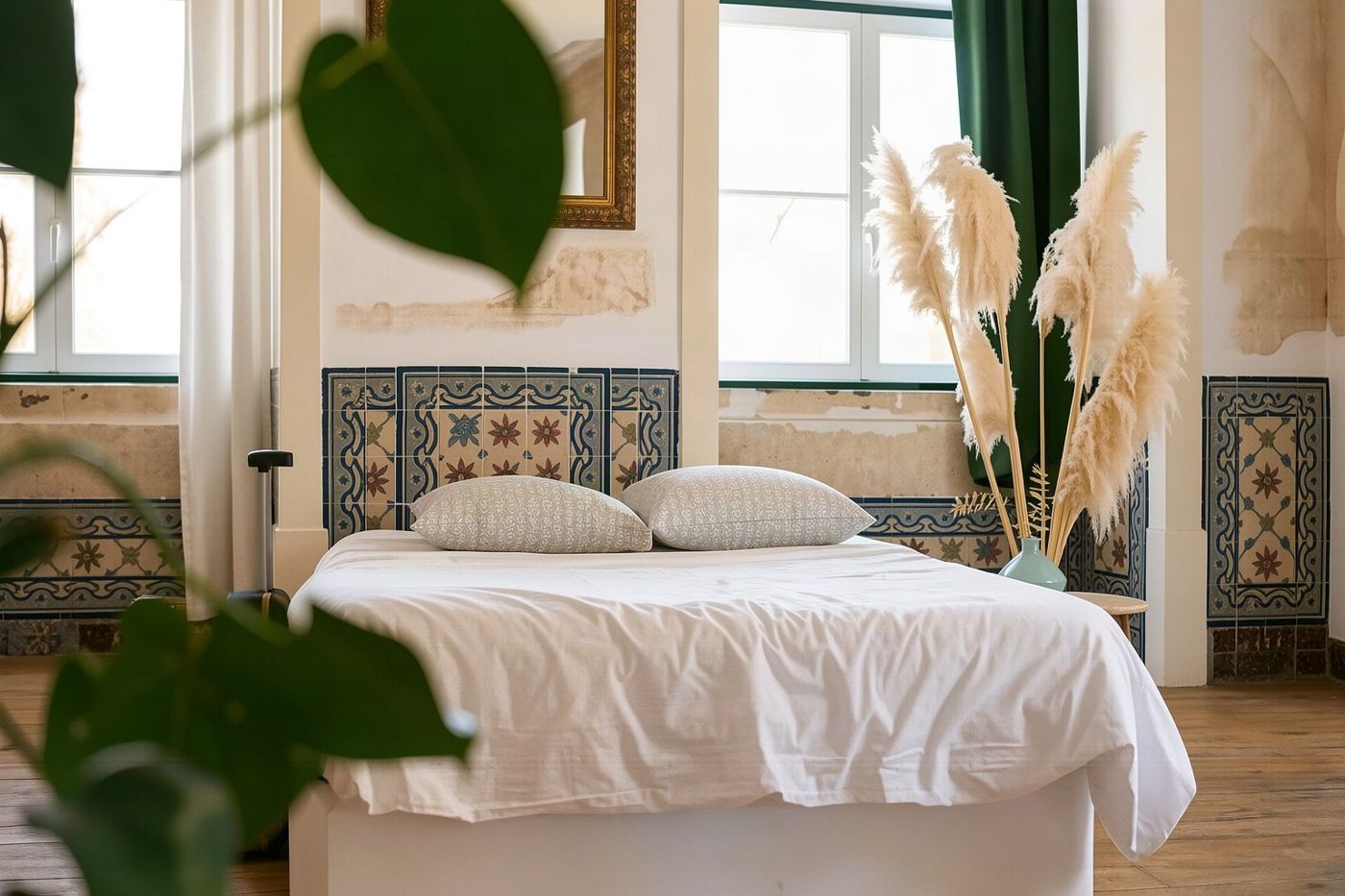 With ten days or more, a night elsewhere saves hours of travelling.
Pacing a day in Porto
The mistake is to plan by the map instead of the terrain. Many distances in the centre are short in a straight line and long on foot.
Start high and finish low. Beginning at São Bento or the Clérigos and walking down through the cathedral quarter to the Ribeira keeps most of the day downhill, and the river is the natural place to end.
Group the sights by level. São Bento, the cathedral and the Clérigos are in the upper town; the Bolsa, the Church of Saint Francis and the quay are by the river; the lodges, the Jardim do Morro and the Serra do Pilar are across the bridge, with the Gaia cable car linking the quay to the top.
Use the transport where the climbs are worst. The metro runs from São Bento and Trindade, the historic tram line 1 follows the river to Foz, and the cable car lifts you from the Gaia quay to the Jardim do Morro.
Leave the evenings flexible. The Jardim do Morro and the Serra do Pilar viewpoint are open at all hours, and the Clérigos tower opens until 23:00.
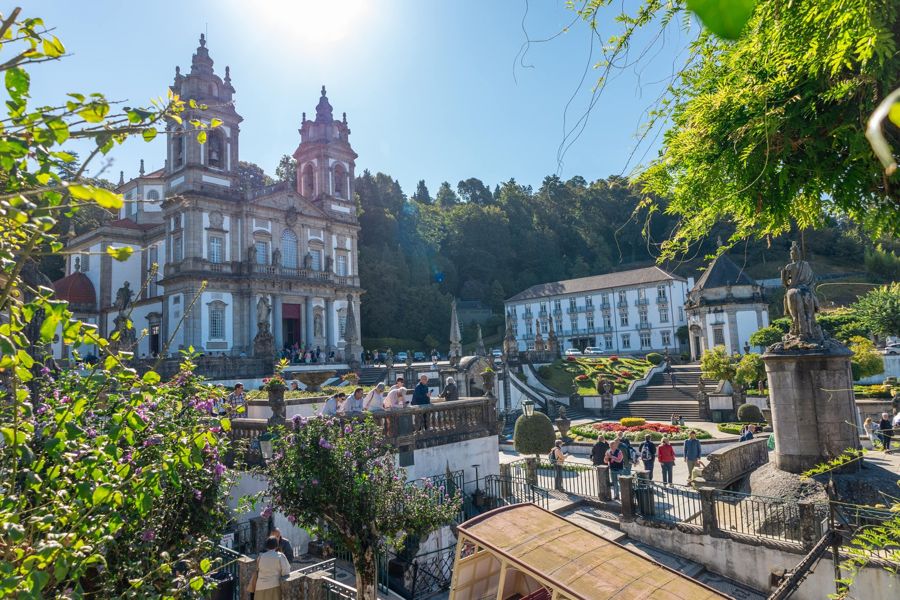
From Porto: Braga & Guimarães Tour with Bom Jesus & Castle
★ 4.6 · 4,558 reviewsA guided day trip to Braga and Guimarães with Bom Jesus and the castle, for a third or fourth day.
Before you plan
Check the day of the week against each museum, and move them off Mondays.
Check the dates against the holidays, above all 24 June, and against the festivals: São João on the night of 23 June fills the city, and the student week in early May closes streets in the Baixa.
Buy an Andante card on arrival. A single ride in central Porto costs 1.40 euros, the Andante 24 covers the central zone for a day at 5.35 euros, and the Andante Tour card, transport only, costs 7.75 euros for 24 hours or 16.55 euros for 72. Current fares are on Metro do Porto.
Book what sells in slots: the Bolsa tour, the Paiva Walkways, Pena in Sintra.
Check train returns for day trips on CP, and pack for the hills: comfortable shoes matter more than anything else on a Porto itinerary.
The tourist tax of 3 euros per person per night, up to seven nights, is charged by the accommodation.
Common questions
How many days do I need in Porto?
One full day covers the historic centre's main sights; two days add Serralves or the Casa da Música and Foz; three days allow a day in the Douro Valley or in Guimarães and Braga.
Can I see Porto in half a day?
The essentials, yes: the Ribeira, the lower deck of the Luís I bridge to Gaia and one Port lodge visit.
Which day should I avoid for museums in Porto?
Monday. Most museums close, while the churches, gardens, viewpoints and the riverside stay open.
Is Porto a good base for day trips?
Yes. Guimarães and Braga are about an hour by urban train for 3.60 euros, Aveiro 1 hour 15 minutes, and the Douro Valley just under two hours to Régua by train.