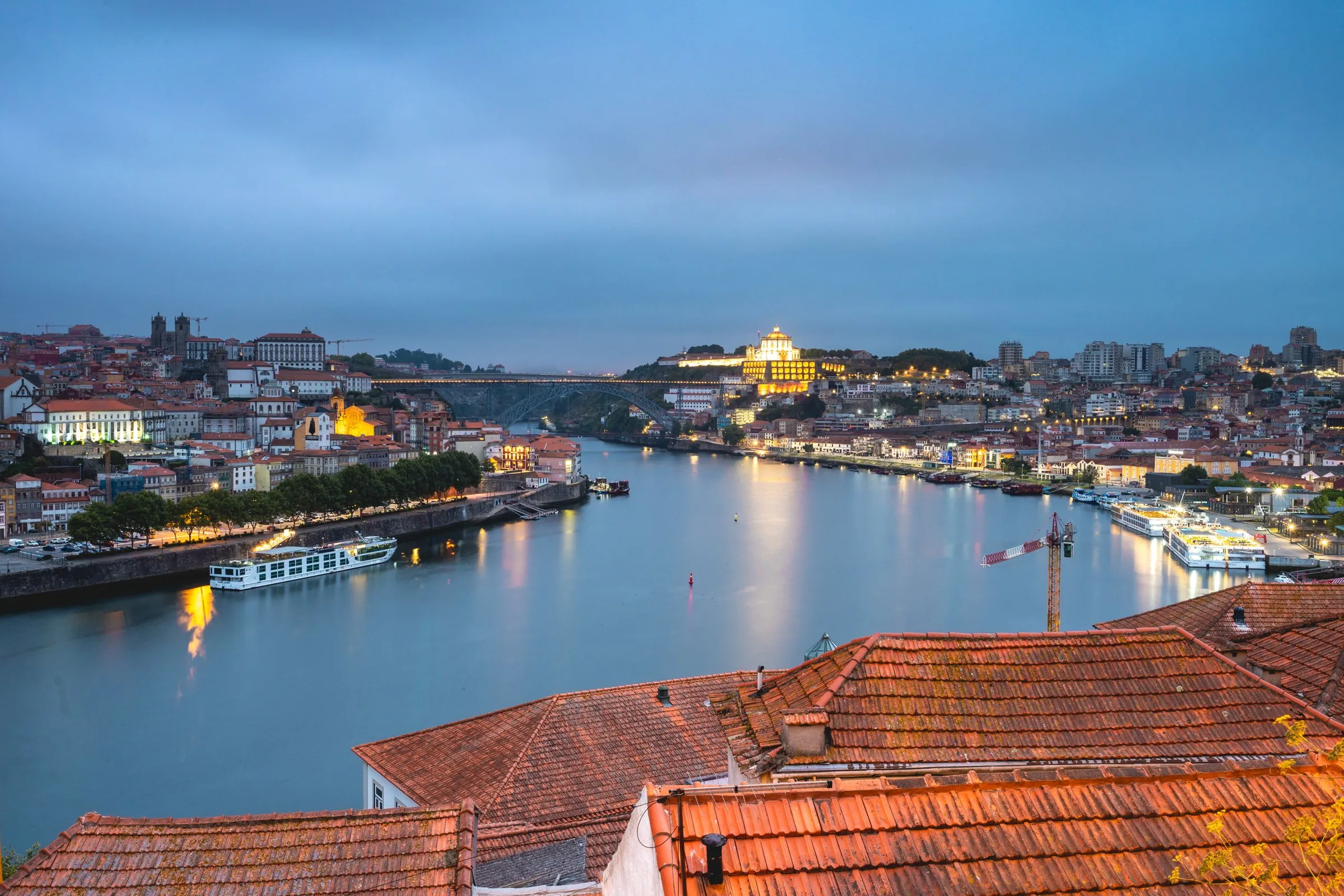
Some links on this page are affiliate links: if you book through them, we may earn a commission at no extra cost to you. How this works
Ten days change the Douro from a day trip into a place to stay. A day out from Porto means four or five hours on a train or a coach and a few hours in the valley; three nights there mean evenings on the river, mornings before the tour buses arrive, and time for the places a day trip leaves out, such as the baroque stairway of Lamego or the gardens of Mateus Palace.
The answer is two bases: three days in Porto, three nights in the Douro, then back to Porto for four days of trips north and south: Guimarães and Braga, Viana do Castelo, and Aveiro or the Paiva Walkways. It gives the trains and fares for each move, the drive times for the stretches that need a car, and the days of the week that suit each part, so the ten days can be fitted to a real calendar.
Two Douro days with wineries and a boat, for travellers who stay in Porto or want a guide for one valley day.
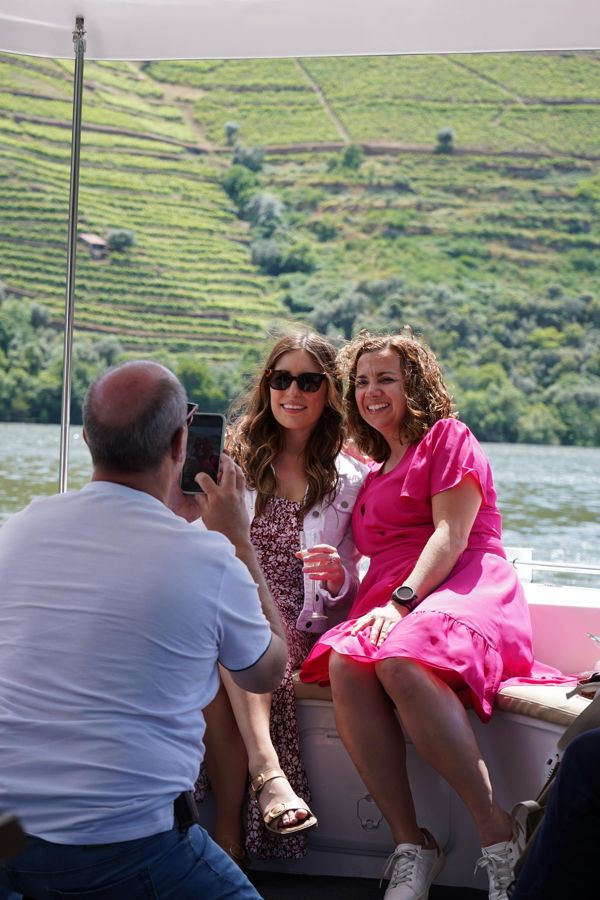 Two wineries
From Porto: Tastings at 2 Wineries, Chef's Lunch & Boat Tour
Two wineries, a chef's lunch and a boat trip
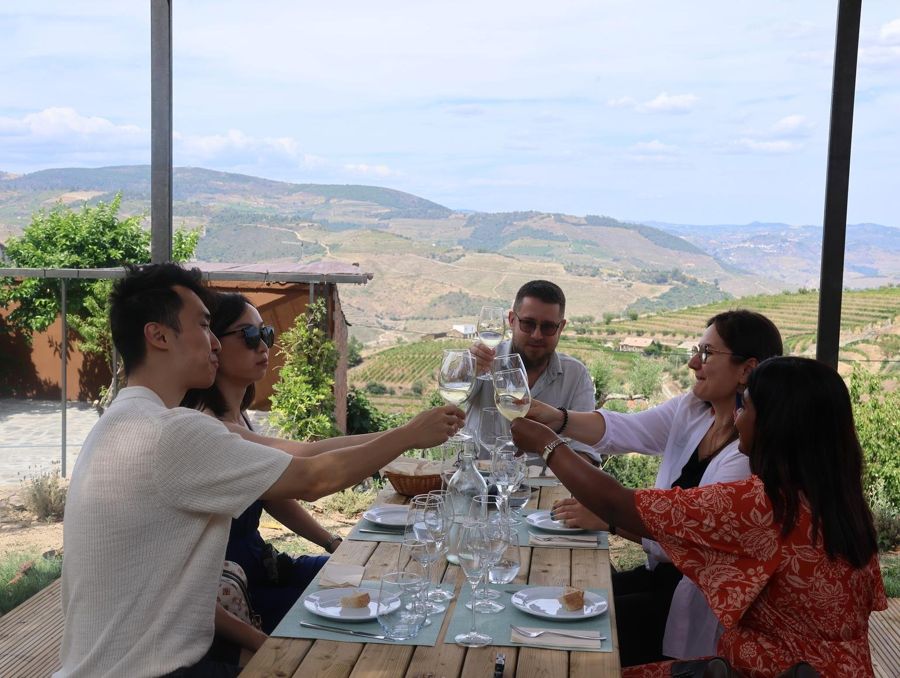 Winery lunch
Douro Valley: visit 1 or 2 Wineries w/ winery Lunch & Cruise
Lunch at a winery with a river cruise
The ten days in outline
The mistake is to base all ten days in Porto and do the Douro as a single outing. At ten days, sleeping in the valley costs no more time than two long return journeys.
Days one to three, Porto. The historic centre and Gaia on day one, following the one-day plan; the west of the city and Foz on day two, following the two-day plan; and a slow third day with the Mercado do Bolhão, a second Port lodge and the Fontainhas viewpoint.
Day four, to the Douro. Take the train from São Bento up the river to Régua or Pinhão, and settle in.
Days five and six, the Douro. One day for a quinta visit or a boat on the river, one for Lamego and Mateus Palace, which need a car or a taxi.
Day seven, back to Porto, by train, or by car through Amarante.
Day eight, Guimarães and Braga.
Day nine, Viana do Castelo, with Ponte de Lima if you have a car.
Day ten, Aveiro and Costa Nova, or the Arouca walkways and their suspension bridge.
The order can be reversed, with the Douro at the end, if a weekend between June and October falls on days eight to ten and you want the historic train.
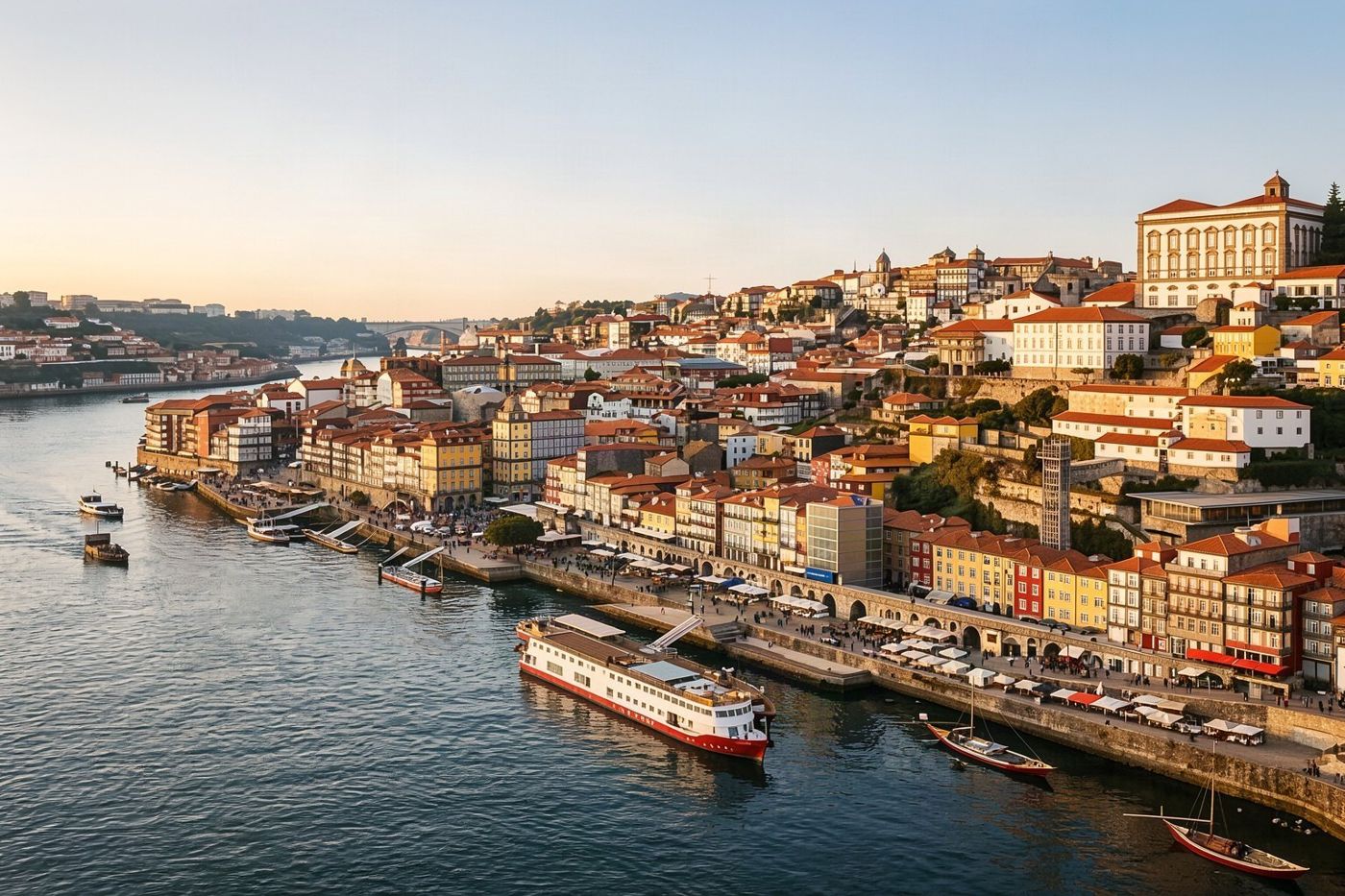 Ten days is enough to sleep in the valley rather than commute to it.
Getting to the Douro and choosing a base
The mistake is to pick a base by the photos of the river alone. Régua and Pinhão are very different stops.
Both towns are on the Douro line from São Bento, Régua just under two hours up the river and Pinhão a further 25 minutes. The line continues to Pocinho, 160 km from Porto, in 3 h 20 min for 15.10 euros. A slower Regional train to Régua costs 8.70 euros.
Régua is the larger town and the practical base. Day cruises from Porto usually end there, the Douro Historical Train starts there, and the Ribeirinha trail runs 2.2 km along the river for walking or cycling, with bike parking at the station.
Pinhão is smaller and sits among the terraced Port vineyards, which run along the river from Barqueiros to Pinhão. Two dozen tiled panels at its station depict the landscape, the harvest and the rabelo boats that once carried the wine downriver.
The MiraDouro train runs daily in both directions between São Bento and Pocinho with 1940s Swiss carriages whose windows open, at ordinary InterRegional fares, and it makes the journey up part of the holiday. The CP page for the MiraDouro has the times.
In summer, plan for heat: the average July high at Régua is 31.5 °C, against 25.3 °C in Porto.
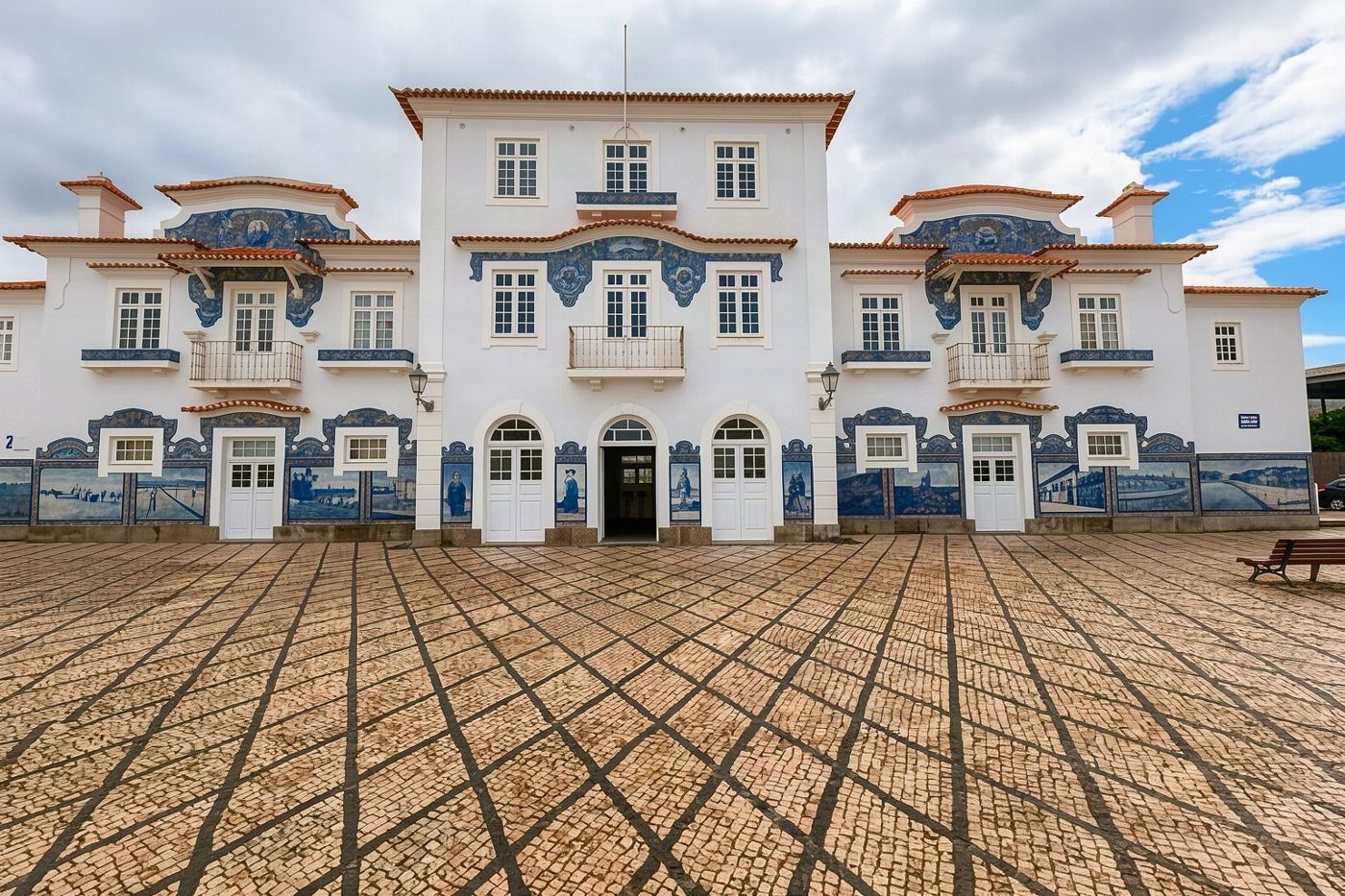 Régua and Pinhão are very different bases for the valley.
Two days in the valley: Lamego, Mateus and the river
The mistake is to spend both valley days on wine. The Douro has towns and palaces too, and they fill the afternoon after a morning tasting.
Lamego, south of Régua, is known for its baroque stairway to the sanctuary of Nossa Senhora dos Remédios: 686 steps rising in levels past statues of kings and eight fountains, one of them by Nicolau Nasoni, with the Chapel of Desterro halfway up. Work on the present sanctuary began in 1750, on a hill where a hermitage stood from 1361. On 8 September, the Nativity of the Virgin, the town holds its main pilgrimage day, with fireworks and concerts.
Mateus Palace stands north of the river, on the edge of Vila Real, a short drive out of the town. It is the palace pictured on the Mateus Rosé label. The house opens Monday to Friday from 9:00 to 17:00 and at weekends until 17:30. A visit to the chapel and the 20 ha of park and gardens costs 13.50 euros for an adult; the house with an audio guide, about 25 minutes, 19 euros; and the Wine & Vine visit with a tasting of the house wines 33 euros.
For the river itself, take a boat from Régua or Pinhão, or, on a weekend from June to October, the Douro Historical Train, which leaves Régua at 15:32 for Tua, passes Pinhão at 16:06 and is back at 18:22, from 32 euros.
Seeing both in one day needs a car or a driver.
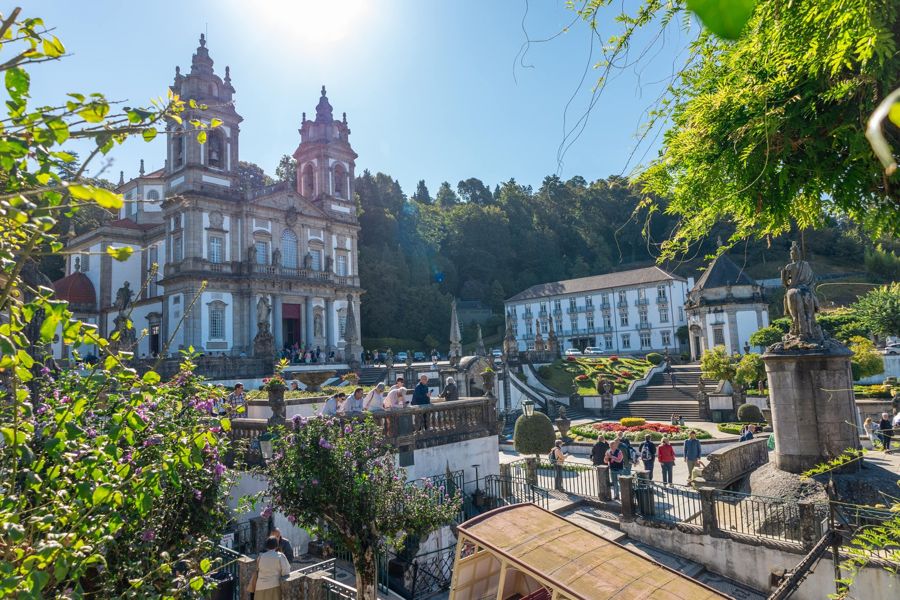
From Porto: Braga & Guimarães Tour with Bom Jesus & Castle
★ 4.6 · 4,558 reviewsBraga, Guimarães, the Bom Jesus sanctuary and the castle in one guided day, for day eight.
Back to Porto, and four more days out
The mistake is to go straight back to Porto on the train you came on. With a car, the return is a trip in itself.
By car from the Douro, go back through Amarante. The A4 runs through the Marão Tunnel, 5.7 km long, the longest road tunnel in Portugal, opened in May 2016. Amarante sits on the Tâmega, around the bridge of São Gonçalo, and is 44 minutes from Porto by road. Its convent sweets and the Amadeo de Souza-Cardoso Museum are worth the stop.
Without a car, the train back to São Bento takes the same 1 h 55 min from Régua.
Day eight, Guimarães and Braga, both on cheap suburban lines from São Bento. The first has its ducal palace and hilltop castle; the second, the Bom Jesus sanctuary and its water-balanced funicular of 1882.
Day nine, Viana do Castelo on the northbound line from Campanhã, with the Santa Luzia hill rising behind it and the Gil Eannes hospital ship in the harbour. With a car, add Ponte de Lima.
Day ten, Aveiro by suburban train, with the Costa Nova bus beyond; or the Paiva Walkways and 516 Arouca by car or tour, booked ahead.
Ten days: bases, transport and fares
| Days | Base | Main moves | Fare or time |
|---|---|---|---|
| 1-3 | Porto | On foot, metro, tram 1 | Andante single 1.40 EUR |
| 4 | Porto to Douro | Train to Régua or Pinhão | 11.10 or 12.45 EUR |
| 5-6 | Douro | Lamego, Mateus, river | Car or driver |
| 7 | Douro to Porto | Train, or car via Amarante | 1 h 55 min from Régua |
| 8 | Porto | Guimarães and Braga | 3.60 EUR each |
| 9 | Porto | Viana do Castelo | 8.90 EUR, 75 min |
| 10 | Porto | Aveiro or Paiva Walkways | 3.95 EUR, or car |
- Base
- Porto
- Main moves
- On foot, metro, tram 1
- Fare or time
- Andante single 1.40 EUR
- Base
- Porto to Douro
- Main moves
- Train to Régua or Pinhão
- Fare or time
- 11.10 or 12.45 EUR
- Base
- Douro
- Main moves
- Lamego, Mateus, river
- Fare or time
- Car or driver
- Base
- Douro to Porto
- Main moves
- Train, or car via Amarante
- Fare or time
- 1 h 55 min from Régua
- Base
- Porto
- Main moves
- Guimarães and Braga
- Fare or time
- 3.60 EUR each
- Base
- Porto
- Main moves
- Viana do Castelo
- Fare or time
- 8.90 EUR, 75 min
- Base
- Porto
- Main moves
- Aveiro or Paiva Walkways
- Fare or time
- 3.95 EUR, or car
Fitting ten days to the calendar
The mistake is to place the Douro nights without looking at the weekday. Several fixed dates decide where they go.
The vintage Régua-Tua train is a summer weekend service, June to October. Put one of your two valley days on a Saturday or Sunday to catch it.
Porto's museums mostly shut on Mondays, so a Monday spent in the valley or on a train costs you nothing.
Sundays close the Mercado do Bolhão, so keep the slow Porto day off a Sunday.
The eighth of September is Lamego's great pilgrimage day. Expect crowds, fireworks and concerts if your valley days include it.
Viana's big festival, the Agonia pilgrimage, falls in August, and its museums largely close on Mondays.
On 24 June, the São João holiday, the national museums in Porto and the Lello bookshop shut, and the city celebrates through the night before. Being in Porto for the night of 23 June is worth arranging the Douro nights around.
Mateus Palace opens every day, closing at 17:00 on weekdays and 17:30 at weekends.
- Porto to Pocinho, end of the line
- 3 h 20 min, 15.10 EUR
- Lamego stairway
- 686 steps
- Mateus Palace, chapel and park
- 13.50 EUR
- Mateus Palace, house with audio guide
- 19 EUR
- Marão Tunnel on the A4
- 5.7 km
- July high, Régua
- 31.5 °C
With or without a car
The mistake is to think the Douro nights require a car for the whole trip. They need one for about two days.
Without a car, the plan works with small changes. The trains reach Régua and Pinhão, and the historic train runs from Régua. For Lamego and Mateus, book a taxi or a driver for the day. Quinta visits booked as a tour can include the transfers; check the listing.
With a car, hire it for days four to seven only, in Porto, and drive up and back. Régua is about 94 km from Porto, some 75 minutes by road; Pinhão about 124 km, 95 minutes; Vila Real, for Mateus, about 68 minutes; and Lamego about 86 minutes. Driving back through Amarante adds the town and the Marão Tunnel.
For the last three days in Porto, the car is not needed. Guimarães, Braga, Viana do Castelo and Aveiro all have trains, and the Paiva Walkways can be done with a guided tour.
Hand the car back before the city days start.
The Douro Valley from Porto page compares trains, tours and cruises for the valley.
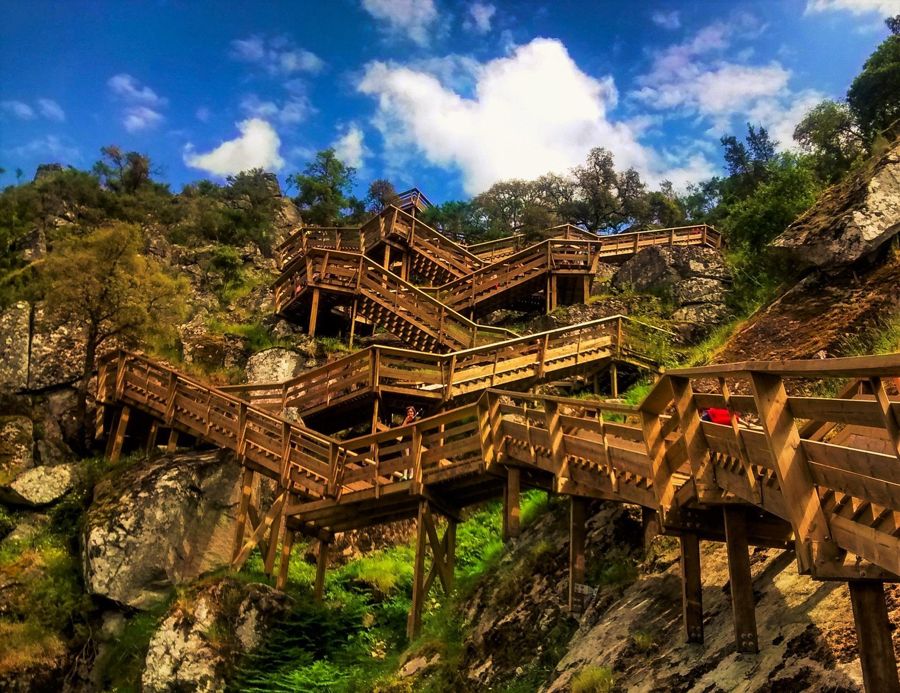
From Porto: Aveiro, Paiva Walkways, & Suspension Bridge Tour
★ 4.9 · 1,918 reviewsAveiro, the Paiva Walkways and the 516 suspension bridge in one guided day, for day ten.
Practical notes for ten days
Book the Douro nights first. The rest of the plan can move around them.
Keep the Porto hotel for days one to three and eight to ten, and pack light for the valley.
In Porto, the metro runs on Andante cards; the suburban lines north and south use Siga cards. The Douro trains are bought per journey on CP.
The tourist tax in Porto is 3 euros per person per night, for a maximum of seven nights per stay, collected by the accommodation; the Porto municipality sets it. Nights in the Douro fall outside it.
Book the Palácio da Bolsa for day one, Mateus Palace if you want a guided visit, and a walkway slot at Arouca for the last day if you go.
For longer trips, the more-than-ten-days plan adds Lisbon, Sintra and Santiago de Compostela, and the seven-day plan keeps a single base.
Common questions
Should I stay overnight in the Douro Valley?
With ten days, yes. Three nights in Régua or Pinhão give time for the river, a quinta, Lamego and Mateus Palace, which a single day trip from Porto cannot fit.
Régua or Pinhão as a base?
Régua is the larger, more practical town, where cruises end and the historic train starts. Pinhão is smaller and sits among the terraced vineyards, with its tiled station.
Can I visit Lamego and Mateus Palace without a car?
They are not on the railway, so book a taxi or a driver for the day. By road, Vila Real is about 68 minutes from Porto and Mateus is 4 km from its centre.
How hot is the Douro in summer?
The average daily high in July at Régua is 31.5 °C, compared with 25.3 °C in Porto.