Some links on this page are affiliate links: if you book through them, we may earn a commission at no extra cost to you. How this works
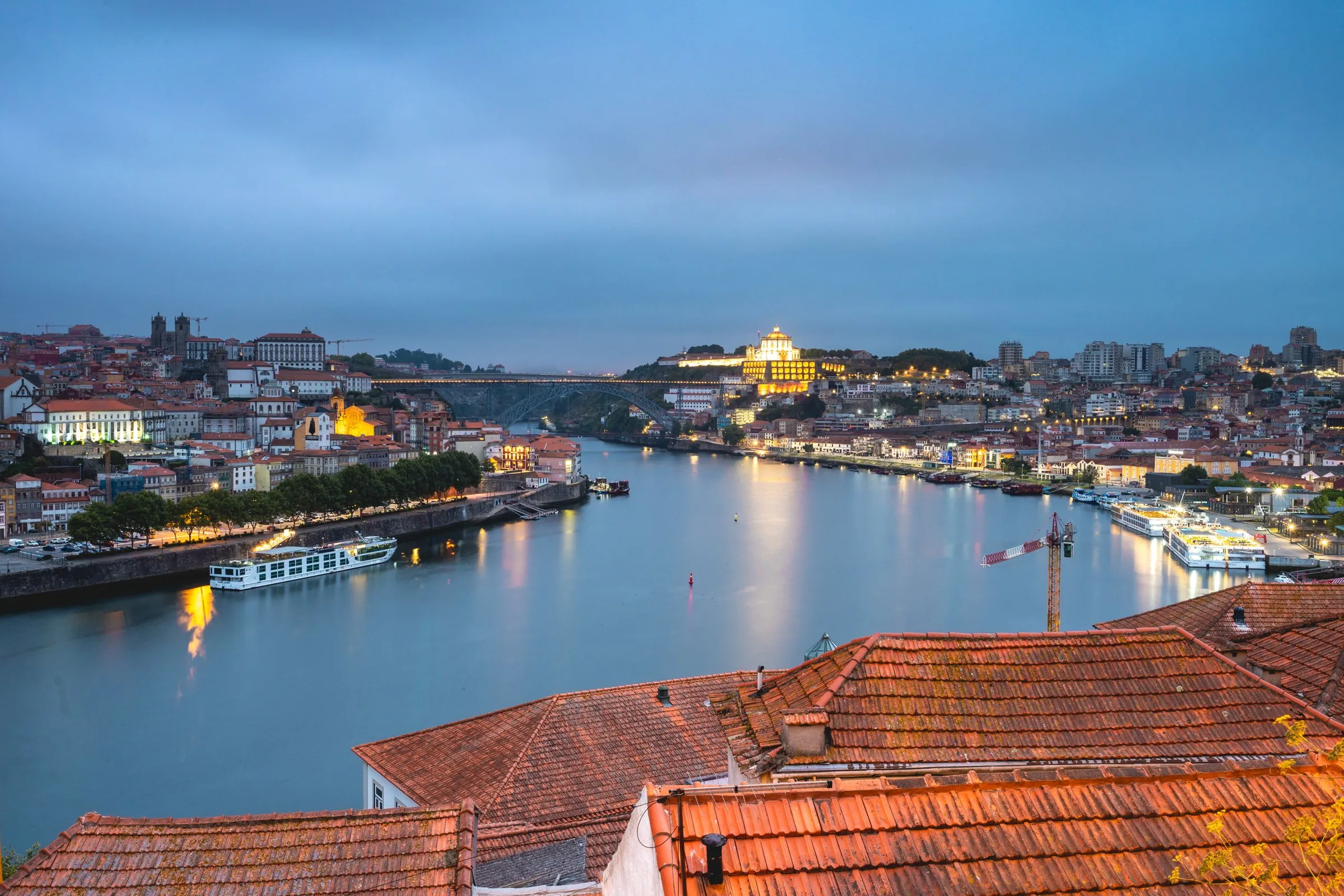
Three days is the length at which Porto stops being a city break and becomes a base. Two days are enough to see the city itself properly; the third lets you leave it, and the region around Porto is the reason many travellers come in the first place.
The question is which day out. The Douro Valley, where Port's grapes grow on terraced slopes, is two hours upriver by train. Guimarães, Portugal's first capital, and Braga, with its baroque sanctuary on a hill, are an hour away each on the cheap urban trains. The first two days go to the city, in the order that works with its hills and closing days, and sets out the third day both ways, with times, fares and what to see, so the choice can be made on facts rather than on a tour brochure.
The two classic third days, done as a guided day with transport included.
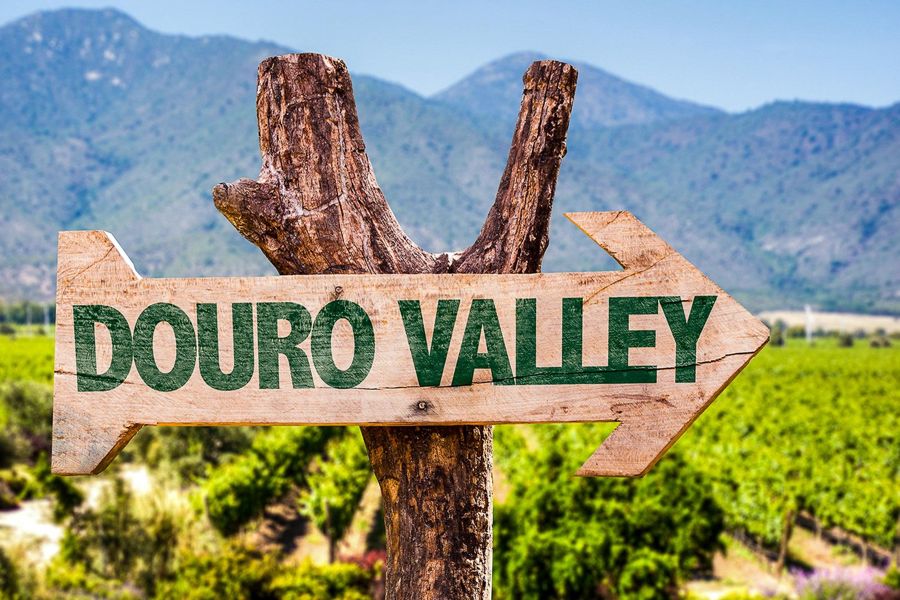 Douro
DouroFrom Porto: Douro Valley w/ Boat Tour, Wine Tasting & Lunch
The Douro with a boat trip, a tasting and lunch, without planning trains
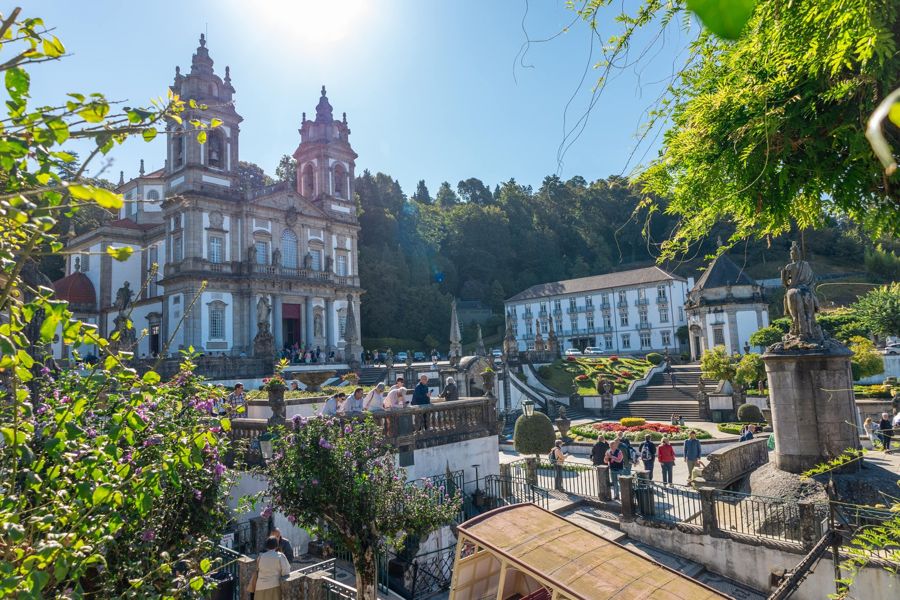 Minho towns
From Porto: Braga & Guimarães Tour with Bom Jesus & Castle
Both towns and the Bom Jesus sanctuary in one day
The shape of three days
The mistake with three days is to use the extra day to go slower in the old town. The historic centre fits into one full day, and a second city day is better spent to the west.
Day one is the centre and Gaia. Start at São Bento in the morning, work down past the cathedral and the Clérigos to the Palácio da Bolsa, cross the lower deck of the bridge to a Port lodge in the afternoon, and finish at the Jardim do Morro. The one-day plan times every stop.
Day two is the west. Choose between Casa da Música and Serralves, or the gardens of the Palácio de Cristal, the national museum next to them and the riverside tram, and end the day in Foz by the sea. The two-day plan sets out both versions.
Day three is the day out, and it needs an early start. The Douro trains leave from São Bento, and so do the urban trains to Guimarães and Braga, which makes the station at the foot of the Baixa the natural place to begin.
Put the day out in the middle if the forecast is better for it, or if a Monday falls on day two: the valley and the two northern towns suit a Monday better than the city's museums.
The third day: Douro or Guimarães and Braga
| Douro by train | Guimarães and Braga | |
|---|---|---|
| Train from São Bento | Régua 1 h 55 min; Pinhão 2 h 20 min | Guimarães 1 h 10-1 h 20; Braga 54-71 min |
| Single fare | Régua 11.10 EUR; Pinhão 12.45 EUR | 3.60 EUR each |
| Return fare | Régua 20 EUR; Pinhão 22.40 EUR | No return tickets |
| Main sights | The river, terraces, Pinhão station tiles | Ducal Palace and castle; Bom Jesus |
| UNESCO | Alto Douro Wine Region, 2001 | Guimarães 2001; Bom Jesus 2019 |
- Douro by train
- Régua 1 h 55 min; Pinhão 2 h 20 min
- Guimarães and Braga
- Guimarães 1 h 10-1 h 20; Braga 54-71 min
- Douro by train
- Régua 11.10 EUR; Pinhão 12.45 EUR
- Guimarães and Braga
- 3.60 EUR each
- Douro by train
- Régua 20 EUR; Pinhão 22.40 EUR
- Guimarães and Braga
- No return tickets
- Douro by train
- The river, terraces, Pinhão station tiles
- Guimarães and Braga
- Ducal Palace and castle; Bom Jesus
- Douro by train
- Alto Douro Wine Region, 2001
- Guimarães and Braga
- Guimarães 2001; Bom Jesus 2019
Day three, option one: the Douro by train
The mistake is to expect a tasting at a quinta to be a walk from the station. The train shows the valley; wineries need a booking, a taxi or a tour.
The Douro line leaves Porto São Bento and follows the river for much of its length. On the InterRegional service, Peso da Régua is 1 h 55 min away (11.10 euros one way, 20 return) and Pinhão 2 h 20 min (12.45 one way, 22.40 return). There is also a slower Regional service to Régua, at 8.70 euros.
For the view, go on to Pinhão. Its station is decorated with 24 azulejo panels of Douro landscapes, the grape harvest and rabelo boats carrying wine, and the terraced Port vineyards run along the river on either side.
The MiraDouro train runs the same line daily in both directions with 1940s Swiss Schindler carriages whose windows open, at the normal InterRegional fares. The MiraDouro page at CP lists the services.
On Saturdays and Sundays from June to October, the Douro Historical Train runs from Régua to Tua and back, from 32 euros, leaving Régua at 15:32 and returning at 18:22. Dates change each year.
UNESCO added the wine landscape of the Alto Douro to its list in 2001, and the region's boundaries were first drawn in 1756.
- Porto to Pocinho, end of the Douro line
- 3 h 20 min, 15.10 EUR
- Douro Historical Train
- Jun-Oct weekends, from 32 EUR
- Guimarães palace and castle
- 8 EUR together, 10:00-18:00
- Guimarães station to the centre
- About 10 min on foot
- Bom Jesus funicular
- About 2.50 EUR up
- Bom Jesus stairway
- About 580 steps, free
Day three, option two: Guimarães and Braga
The mistake is to try both towns on the train without checking the return times. Guimarães is the last stop on its line, and in the afternoon the gap between trains to Porto can stretch to two hours.
Guimarães first. The urban train from São Bento takes 1 h 10 min to 1 h 20 min, at 3.60 euros single; you load it onto a 50-cent Siga card, and no return ticket is sold. From the station, the old town is ten minutes away on foot. Every day from 10:00, with the last visitors admitted at 17:30 and closing at 18:00, you can visit the ducal palace, the castle on its hill and the small São Miguel church; a combined palace and castle ticket is 8 euros, against 5 for either alone. The historic centre, a UNESCO site since 2001, was extended in 2023 to include the Couros Zone, the old tanning quarter.
Braga is on a different line from Porto, so seeing both by rail means heading back down the line towards Porto and changing. Braga's urban trains run at least hourly and take 54 to 71 minutes, at the same 3.60 euros.
In Braga, the cathedral is the oldest in Portugal. Above the city, the Bom Jesus do Monte sanctuary was inscribed by UNESCO in 2019. Its funicular has run on water counterweights since 25 March 1882 and costs about 2.50 euros up; the baroque stairway beside it, about 580 steps, is free.
With a single day, many travellers take a guided tour that combines the two.
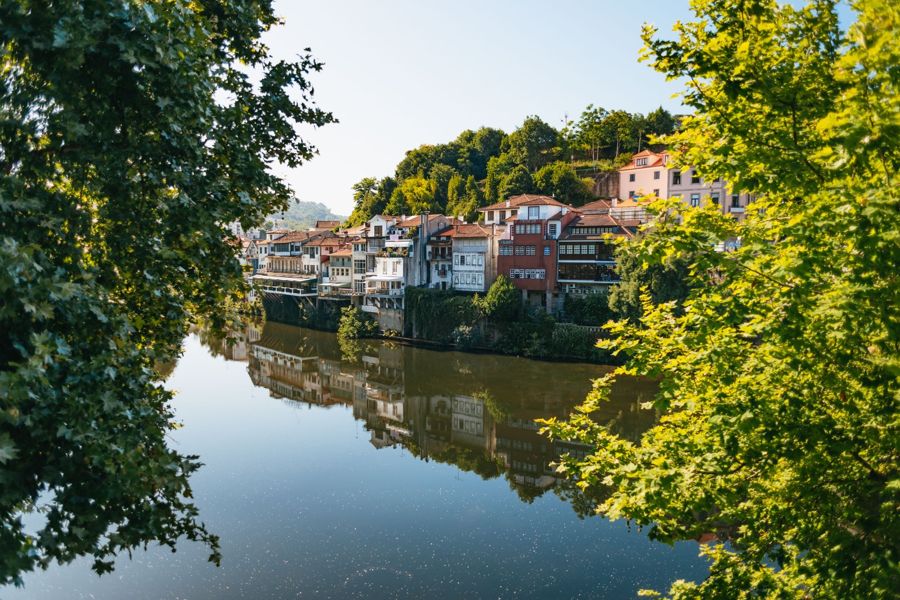
Porto: Douro Valley with Lunch (Optional), Tastings & Cruise
★ 4.7 · 8,611 reviewsA full day in the Douro with tastings and a river cruise, with lunch as an option.
Train or tour for the day out
The mistake is to assume the train is always the cheaper, better choice. It depends on what the day is for.
Take the train to the Douro if the point is the landscape. The ride along the river is the experience, the fares are low, and Pinhão and Régua are walkable towns. The limit is wine: the quintas sit on the slopes above the river, and without a car or a booked visit with transfers, a tasting is hard to arrange on the day.
If the wineries matter more than the view, a tour is the better way up the valley. A guided day usually combines a boat trip, one or two quintas and lunch, and handles the driving, which matters when the day includes tastings. A Douro cruise and a Douro tour are different products: a cruise sold in Porto usually runs one way to Régua and returns by train or coach, and it includes a tasting only if the listing says so.
For Guimarães and Braga, the train works well for one town. For both in a day, the change between lines and the timetable back from Guimarães make a tour the easier choice.
The Douro Valley from Porto page compares the ways of doing the valley in detail.
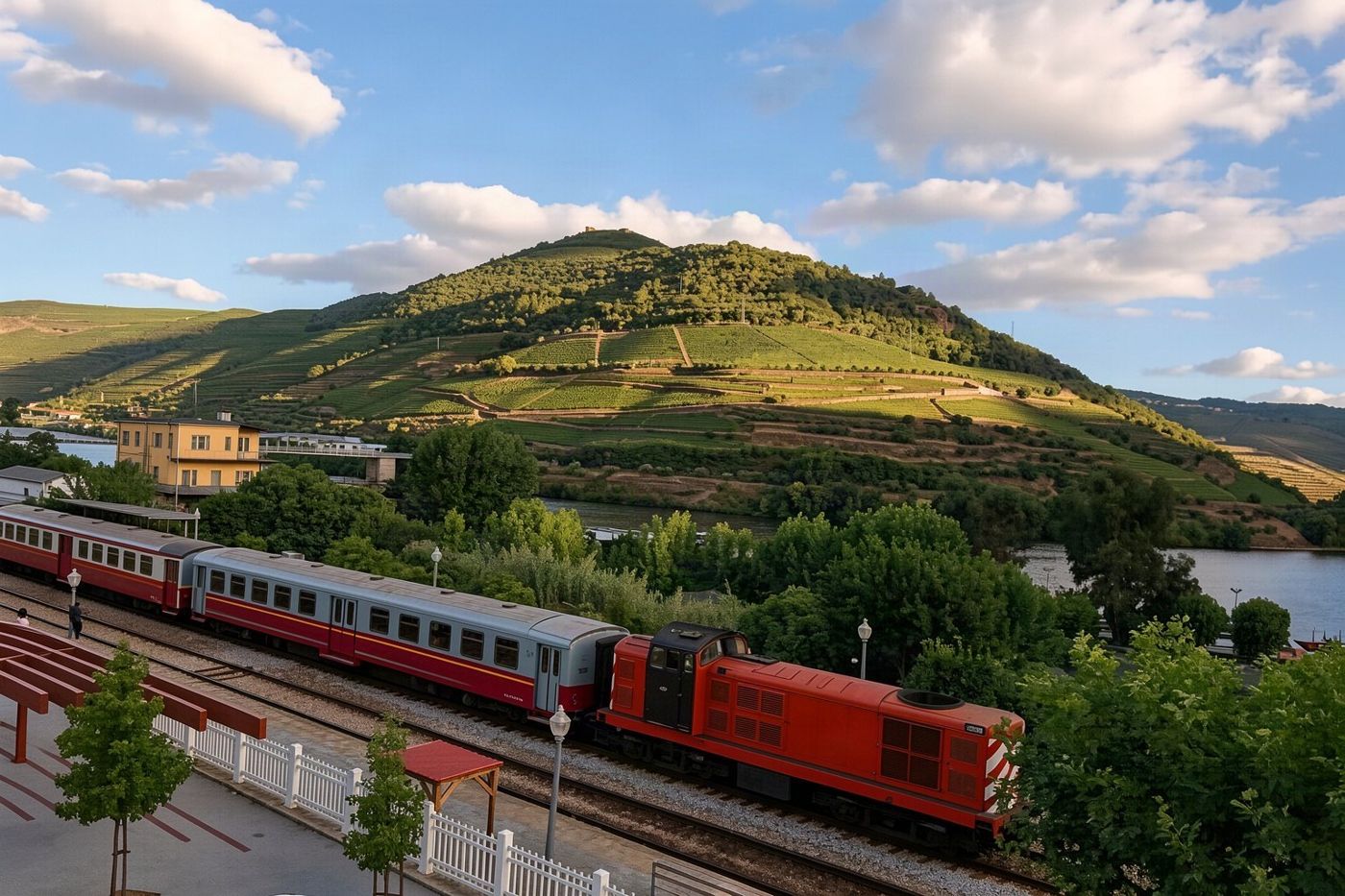 The train suits a day about the landscape; a tour suits a day about the wine.
Fitting the three days around the calendar
The mistake is to leave the day out for the last day. If it rains, or a train is cancelled, there is no day to move it to.
Put the day out on day two when you can, with the city days either side. That keeps a spare city day to swap with it if the weather turns.
Mondays suit the day out. Most of Porto's museums close on Mondays, including the Soares dos Reis museum, while the trains run as usual and Guimarães's palace and castle open daily.
Weekends thin out some urban services, the Aveiro line among them, so check the timetable back at CP before setting out.
The Douro Historical Train only runs on weekends from June to October, so plan the Douro day for a Saturday or a Sunday if you want it.
On 24 June, the São João holiday, Livraria Lello and the state museums in Porto close; it is a good day to be out of town in the morning and back for the night of festivities.
With a car, the order is easier: Régua is about 94 km by road, and Guimarães about 54 km.
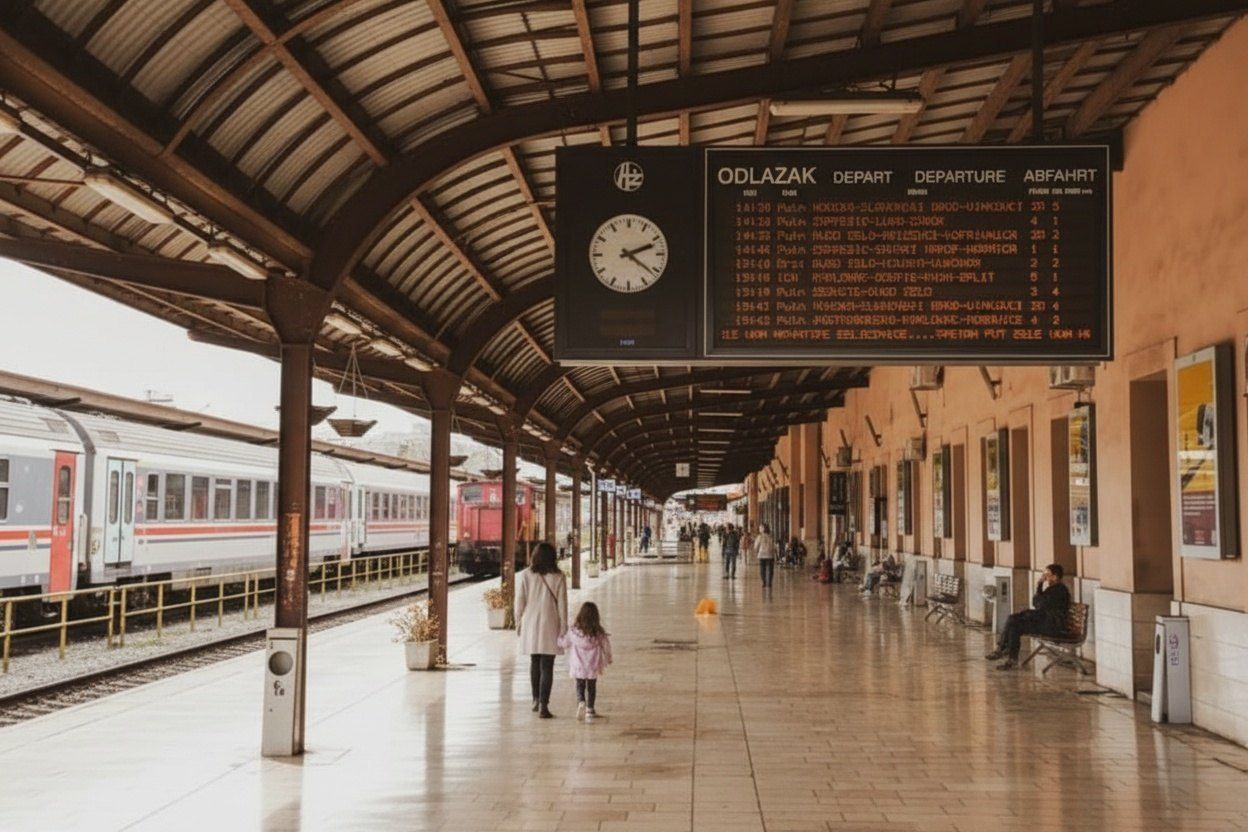 Put the day out on day two, so a cancelled train has somewhere to move.
Other third days
The mistake is to think the Douro and the Minho towns are the only options. They are the best known, not the only ones.
Aveiro, south of Porto, is 1 h 15 min on the urban train for 3.95 euros. Its canals are toured on moliceiro boats, and the striped houses of Costa Nova are a 40-minute bus ride further, which makes the pair a tight day by public transport.
The Paiva Walkways and the 516 Arouca suspension bridge are about an hour from Porto by car. The walkways need a reservation, have a daily limit and sell nothing at the entrances; the 516 ticket, bought online, includes them.
Peneda-Gerês, Portugal's only national park, has no train and little bus service, so it is a car or a tour.
Viana do Castelo is 75 minutes on the fastest trains from Campanhã.
Five days fit two of these, and the five-day plan sets them out. The day trips from Porto guide compares all of them side by side.
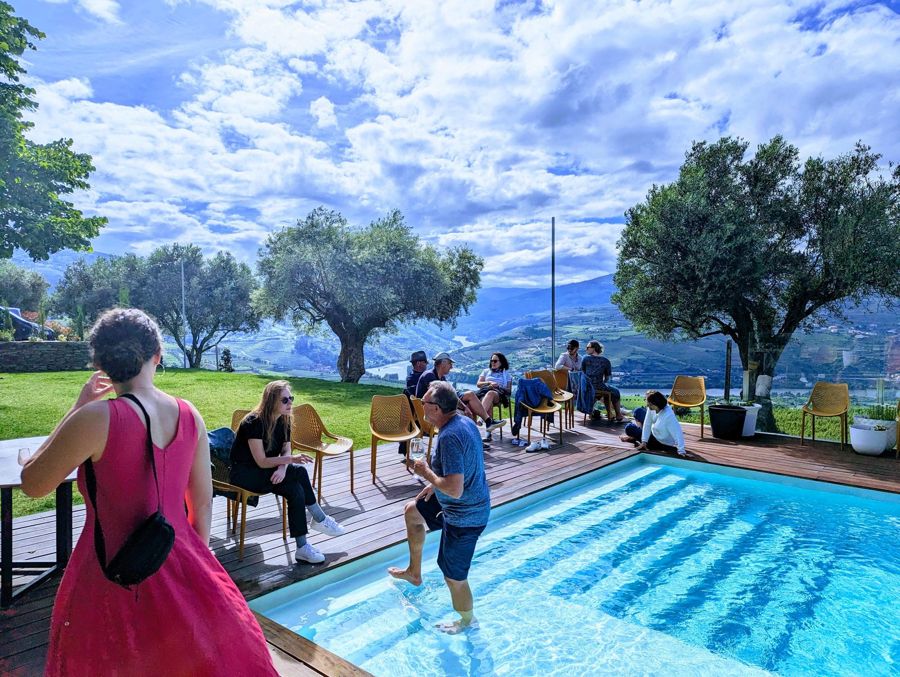
From Porto: 2 Wine Regions, Farm-to-Table Lunch & Boat
★ 4.9 · 8,176 reviewsTwo wine regions in one day, with a farm-to-table lunch and a boat trip.
Before the three days
Check the train times back as well as out. For the Douro, the return journey takes as long as the outward one; for Guimarães, the gaps between afternoon trains are long.
Get a Siga card for the urban trains to Guimarães, Braga or Aveiro, and an Andante card for the metro in Porto. They are separate.
On the Douro InterRegional trains, a return costs less than two singles.
Book the Palácio da Bolsa slot for day one, and the Paiva Walkways if you choose them.
Pack for rain on a Minho day: Braga's weather station records about 1,449 mm a year, against 1,237 mm in Porto.
Three nights in Porto add 9 euros a person in tourist tax, collected by the hotel; under-13s pay nothing.
Stay in the Baixa or near São Bento if the day out goes by train: the early start is a short walk away.
Common questions
Is three days in Porto enough?
Three days cover the historic centre and Gaia, the west of the city with Foz, and one day out, usually the Douro Valley or Guimarães and Braga.
Can I do the Douro Valley by train from Porto?
Yes. Trains from São Bento reach Régua in 1 h 55 min and Pinhão in 2 h 20 min, following the river. Wineries need a booked visit, a taxi or a tour.
Can I see Guimarães and Braga in one day?
It is possible by train, but the two towns are on different lines and the afternoon trains back from Guimarães can be two hours apart. A guided tour combines them more easily.
Which day should be the day out?
The middle day, so a city day can be swapped with it if the weather changes. A Monday suits it, as most Porto museums close that day.