Some links on this page are affiliate links: if you book through them, we may earn a commission at no extra cost to you. How this works
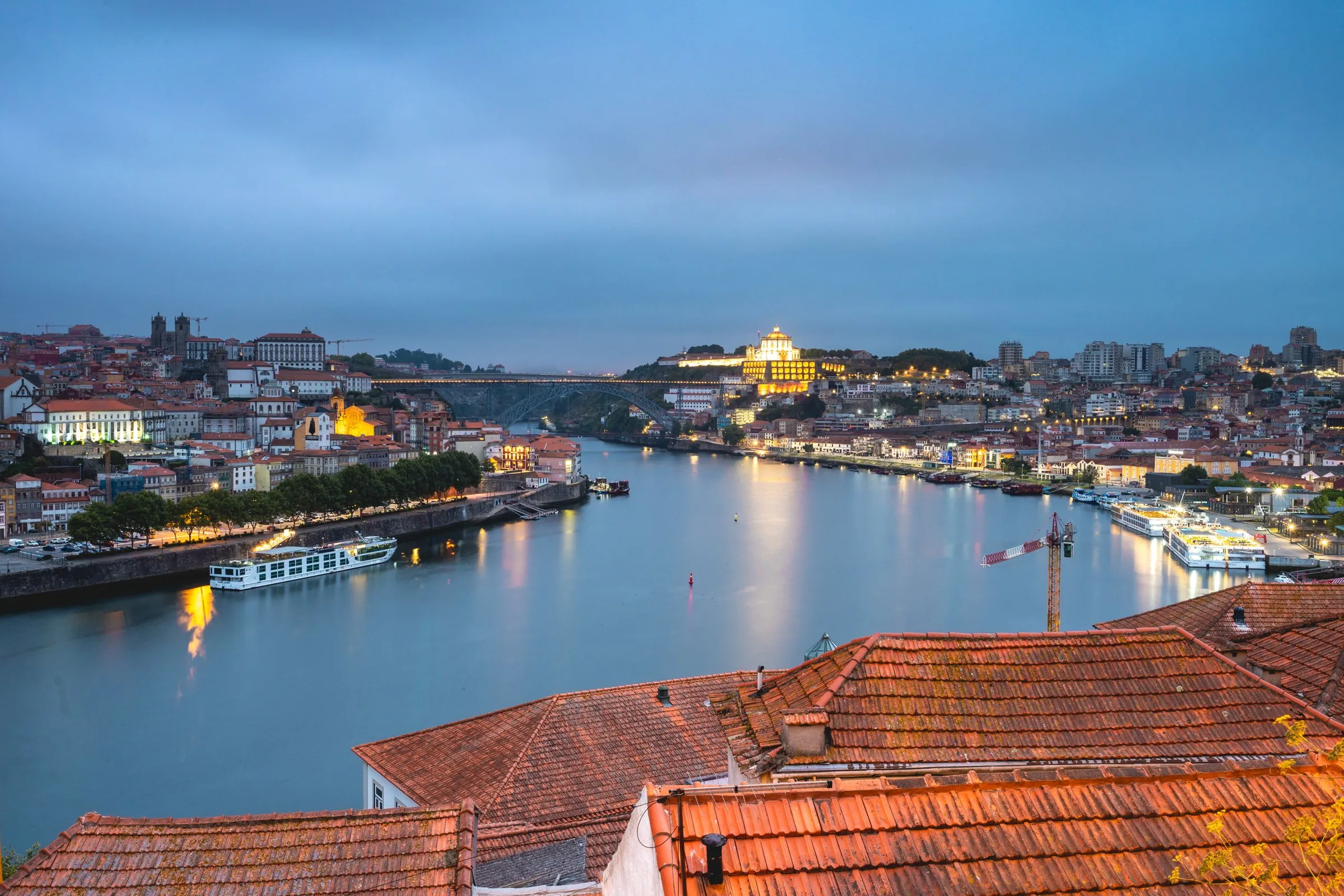
Late winter is not the obvious time to visit Porto, and a traveller who likes cinema has a reason to come then. Fantasporto, the Porto International Film Festival, fills ten days at the end of February and the start of March with fantasy, science fiction and horror, alongside films in every genre from around the world. The 46th edition ran from 27 February to 8 March 2026, and the 47th follows in 2027.
It is one of the oldest film festivals in the city, and its home is now the Batalha Centro de Cinema, a restored cinema on the Praça da Batalha in the centre. The films are only part of the draw. The festival runs talks, book presentations and debates, free to enter, and its sections range from genre competition to a week for directors and a showcase of Asian cinema. Three things matter to a visitor: how the sections work, what a session or a pass costs, and how a festival evening fits into a trip to Porto at a wet time of year.
Two evenings of fado for the nights between screenings, one downtown and one in a historic house.
 Downtown
Porto: The highest-rated traditional fado concert (downtown)
A short concert of traditional fado in the centre, easy to fit before or after a film
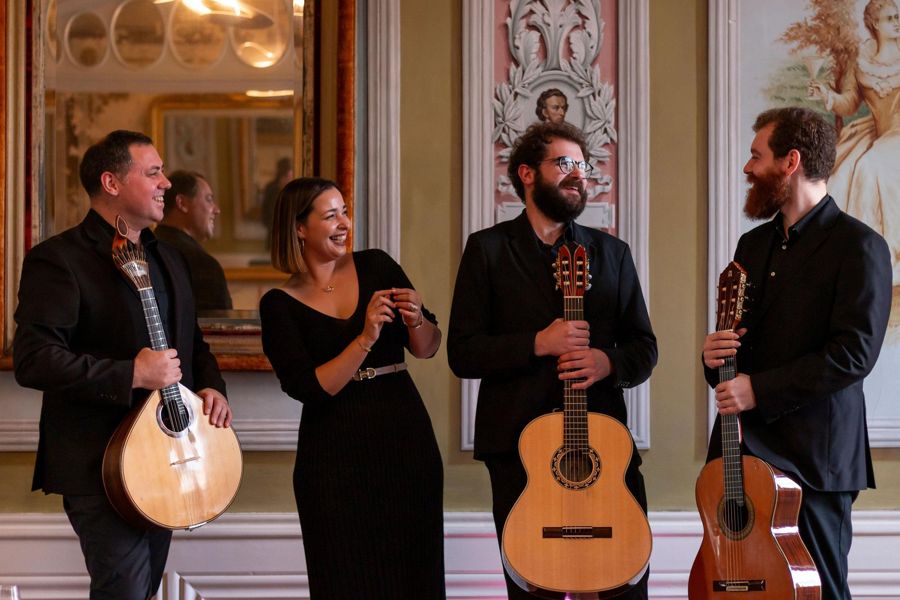 Historic house
Porto: Fado Concert in one of Porto's most beautiful houses
Fado in a historic house setting
More than a horror festival
The common mistake is to think Fantasporto shows only genre films. Its name comes from fantasy cinema, and the fantasy competition is still its centre, but most of the programme reaches well beyond it.
The competitive sections show the range. The Fantasy section has separate competitions for feature films and for shorts of up to 15 minutes. The Directors' Week, which carries the Manoel de Oliveira Award, is open to feature films in every genre. Orient Express is a competition for Asian feature films, and the Best Portuguese Film award is for Portuguese premieres of any length, with a separate award for films from Portuguese film schools.
Alongside the competitions sit sections out of competition. Panorama and Première shows films new to Portugal. Fantas Classics and Fantas Cult bring back masterpieces and cult films, usually restored, many of them shown at the festival before, and each edition adds retrospectives and tributes.
The festival also gives an audience award and a critics' award, which makes the audience part of the result.
For a visitor, this means a festival day can hold a Japanese genre film, a Norwegian drama and a Portuguese short, and the choice is closer to a film season than to a horror marathon.
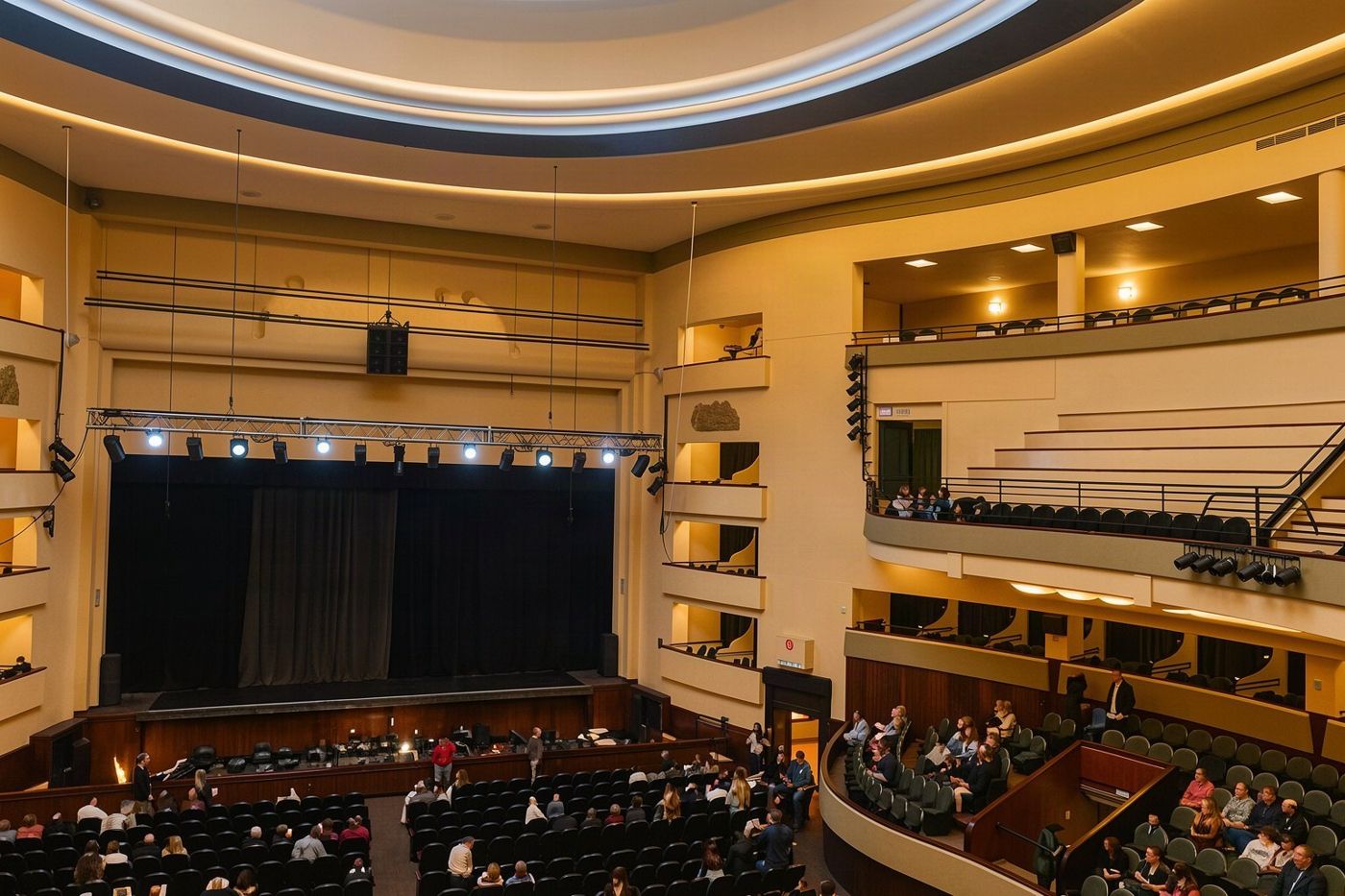 The festival's centre is fantasy cinema, but the programme reaches further.
What the 2026 edition showed
Visitors sometimes expect a small local event. The 2026 edition screened about 100 films from 29 countries, with 31 world, international and European premieres.
The festival received a record number of entries that year, 300 feature films and about 800 shorts from 73 countries, before selecting its programme.
It opened on 27 February at 21:30 with Suzuki=Bakudan, a Japanese production by Akira Nagai, and closed on 8 March with the awards ceremony and After Us, The Flood, by the Finnish director Arto Halonen.
The 2026 edition gave a focus to contemporary Norwegian cinema, organised with the Norwegian Film Institute, with films such as Armand, Thelma, Kitchen Stories, What Will People Say and Don't Call Me Mama. Spanish fantasy cinema had a strong presence too, with Gaua, Bajo Tus Pies and Luger among its titles.
The programme's themes followed the present: war, artificial intelligence and migration ran through many of its films.
Portuguese cinema had its own place, with 21 Portuguese films and the participation of seven universities and film schools.
The line-up changes every year, and the festival publishes its programme and results on Fantasporto.
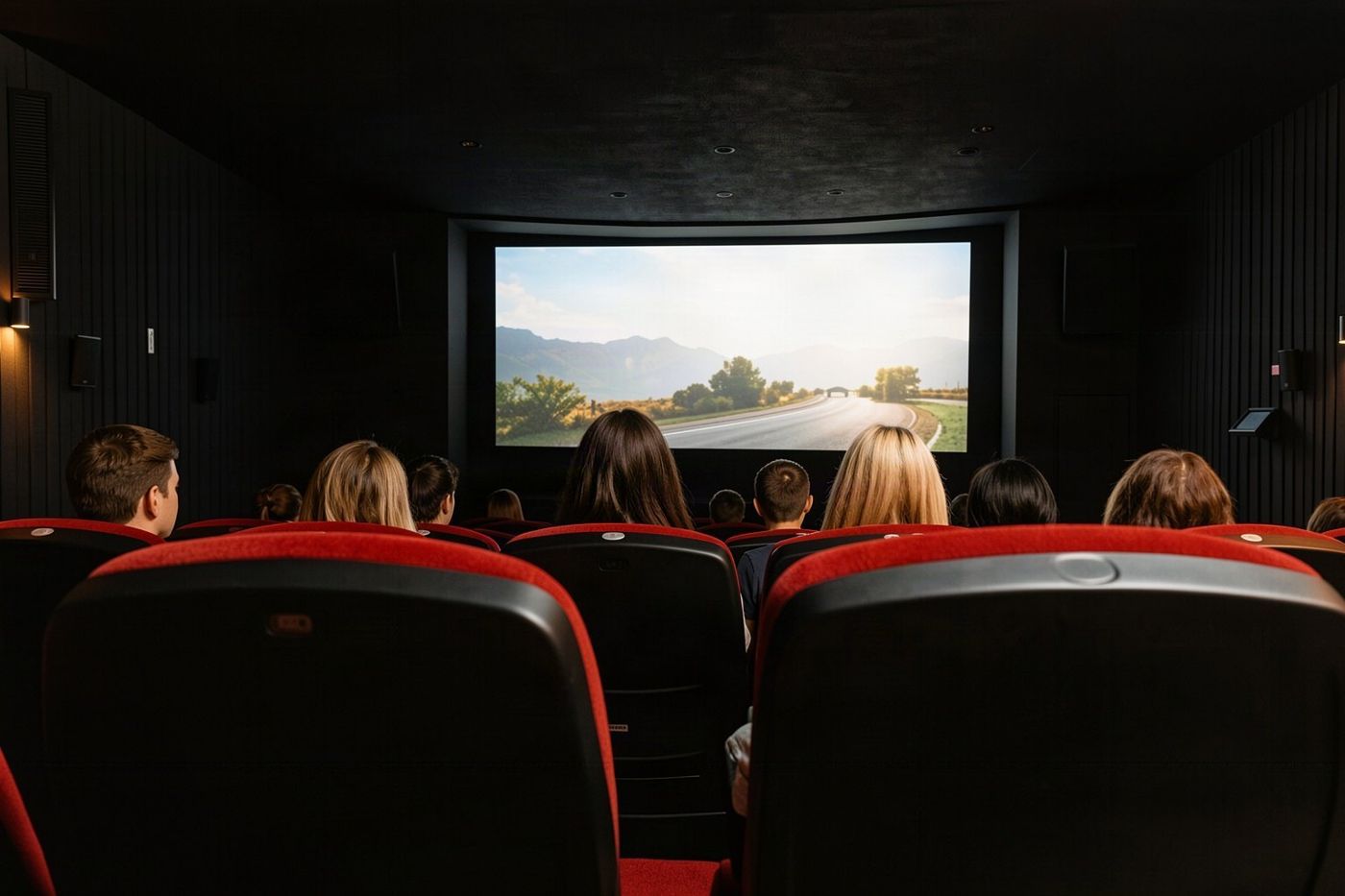 The 2026 edition screened about 100 films from 29 countries.
Tickets and passes
The mistake is to buy a full pass for a short stay, or single tickets for a long one. The festival's prices make the choice clear once the number of sessions is known.
A single session costs 5 euros. With the festival's Tripass card, a session costs 3.75 euros. Students, Porto Card holders, over-65s and the unemployed pay 2.50 euros.
For a visitor seeing several films, bonus tickets usable for any session come in packs: 10 for 40 euros, or 15 for 50 euros. A pass to all sessions costs 70 euros.
The arithmetic is simple. At 5 euros a session, 13 films still cost less than the pass, and the pack of 15 bonus tickets at 50 euros is cheaper for up to 15 films. The pass pays off at about 20 films or more.
These are the prices published on the festival's site, and they can change from one edition to the next, so check them before buying.
The talks, the book presentations and the debates at the Bar do Batalha were free in 2026.
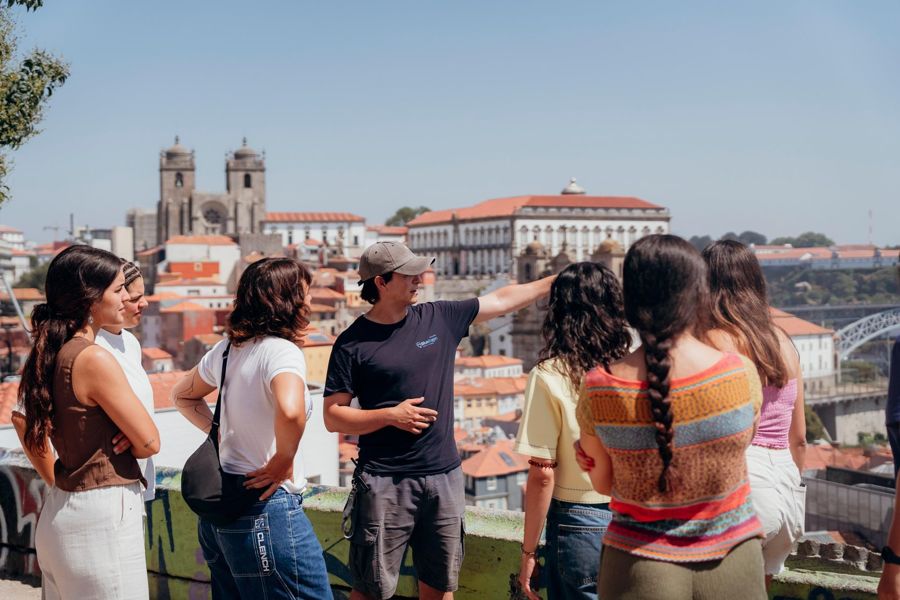
Porto: 3-Hour Guided City Highlights Walking Tour
★ 4.8 · 2,838 reviewsA three-hour guided walk through the city's landmarks, for the daylight hours before an evening at the cinema.
The Batalha and the talks
The mistake is to see only the films. Fantasporto runs a programme of talks and events around its screenings, and in 2026 they were among its most open doors.
The venue itself is part of the visit. The Batalha Centro de Cinema reopened in December 2022 after restoration, on the Praça da Batalha in the centre of Porto.
The Movie Talks, at the Bar do Batalha, took up the state of cinema. In 2026 they looked at how films are made at a time when digital advances threaten techniques and professions, and they included a conference and debate promoted by the Norwegian Film Institute.
Book presentations ran alongside them, from ancient Greece to science fiction and fantasy cinema, with authors such as Artur Manso, Danyel Guerra, José Carlos Pereira and Francisco Duarte. Lectures covered Edgar Allan Poe, the master of fantastic literature, and David Fincher's Fight Club.
All the Movie Talks were free to enter, which makes them an easy evening for a traveller without a ticket.
- 2026 dates
- 27 February to 8 March
- Edition
- 46th (2026)
- Venue
- Batalha Centro de Cinema
- Films (2026)
- About 100, from 29 countries
- Single session
- 5 EUR
- All-sessions pass
- 70 EUR
Porto at the end of winter
The mistake is to plan a late-winter trip as if it were spring. February and early March are wet in Porto, and a festival spent mostly indoors suits them.
February averages a high of 15.0 °C (59 °F) and a low of 5.9 °C (43 °F), with 110.5 mm of rain across the month. March is a little warmer, with a high of 17.4 °C (63 °F), a low of 7.8 °C (46 °F) and 95.6 mm of rain.
Sunshine grows quickly across the two months, from 129 hours in February to 192 in March.
A waterproof jacket belongs in the bag alongside a warm layer for the evenings.
The weather pages for February and March have the rest of each month.
The Batalha is in the centre, so a festival evening can be combined with dinner nearby and a short walk back to a hotel in the Baixa.
Fantasporto sections
- Fantasy, features and shorts
- Competitive; shorts up to 15 minutes
- Directors' Week
- Competitive, all genres, Manoel de Oliveira Award
- Orient Express
- Competitive, Asian feature films
- Best Portuguese Film
- Competitive, plus a film schools award
- Panorama and Première
- Out of competition
- Fantas Classics and Fantas Cult
- Restored classics and cult films
Planning a few days around the festival
A festival trip often goes wrong by leaving no daylight for the city. Choosing the evening sessions leaves the days to see Porto.
A three-day visit works well. Daylight goes to the medieval streets, the Douro and the Gaia lodges, and the evenings go to one or two films.
The Batalha stands in the centre, close to the old town that UNESCO inscribed in 1996.
For wetter days, the city's museums fill the daytime. Most Porto museums close on Mondays, so a Monday is the day to plan around the gardens, the river and a film.
Hotels add Porto's 3-euro nightly tourist tax per guest, for up to seven nights.
Staying for both weekends of the festival gives the opening and closing films a place in the trip.
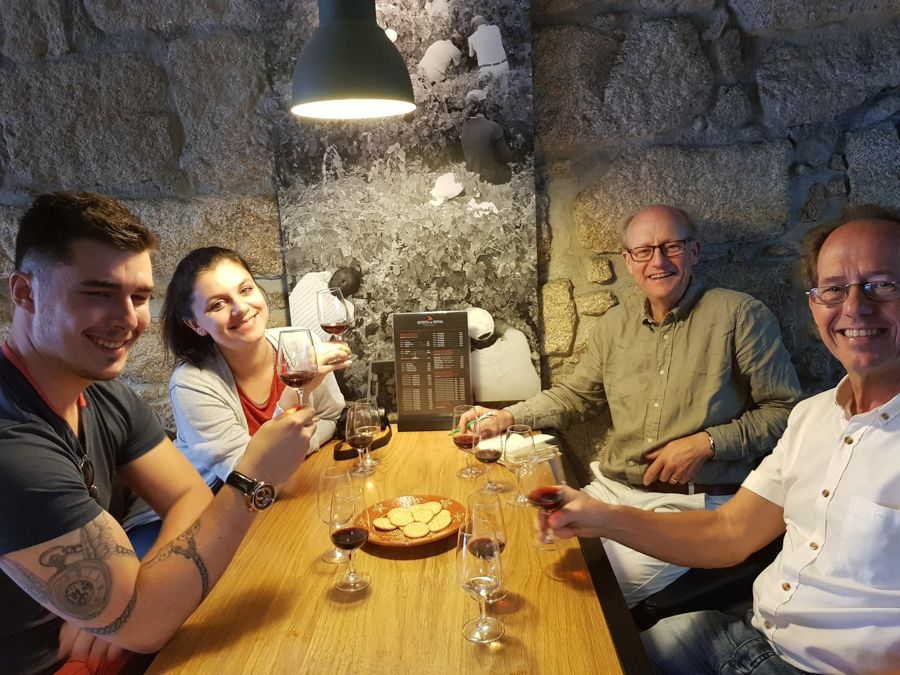
Porto: Port and Douro Wine Walking Tour with 9 Tastings
★ 4.7 · 998 reviewsA three-hour guided walk with nine tastings of Port and Douro wines, for a dry afternoon between screenings.
Before you go
Check the dates. Each edition sets its own ten days around the turn of February and March.
Read the programme by section. Decide whether you want the fantasy competition, the Directors' Week, Orient Express or the Portuguese films, and build the days around those sessions.
Count your sessions before buying. Singles at 5 euros suit a few films, bonus packs suit a handful more, and the 70-euro pass suits a stay spent mostly in the cinema.
Check for the reduced rate. Students, Porto Card holders and over-65s pay 2.50 euros a session.
Look out for the free talks at the Bar do Batalha.
Pack for rain. February averages 110.5 mm and March 95.6 mm.
Leave the days for the city, and the evenings for the films.
Common questions
When is Fantasporto?
Around the turn of February and March; in 2026, the 46th edition, from 27 February to 8 March.
Where is Fantasporto held?
At the Batalha Centro de Cinema on the Praça da Batalha, in the centre of Porto.
How much is a ticket?
The published prices were 5 euros a session, 3.75 euros with the Tripass card, 2.50 euros for students, Porto Card holders and over-65s, and 70 euros for a pass to all sessions. Check them for the current edition.
Is Fantasporto only horror films?
No. Fantasy, science fiction and horror are at its core, but the Directors' Week takes films in every genre, Orient Express shows Asian cinema and there is a Portuguese competition.